Why Are We Generous? With Chris Gabriel
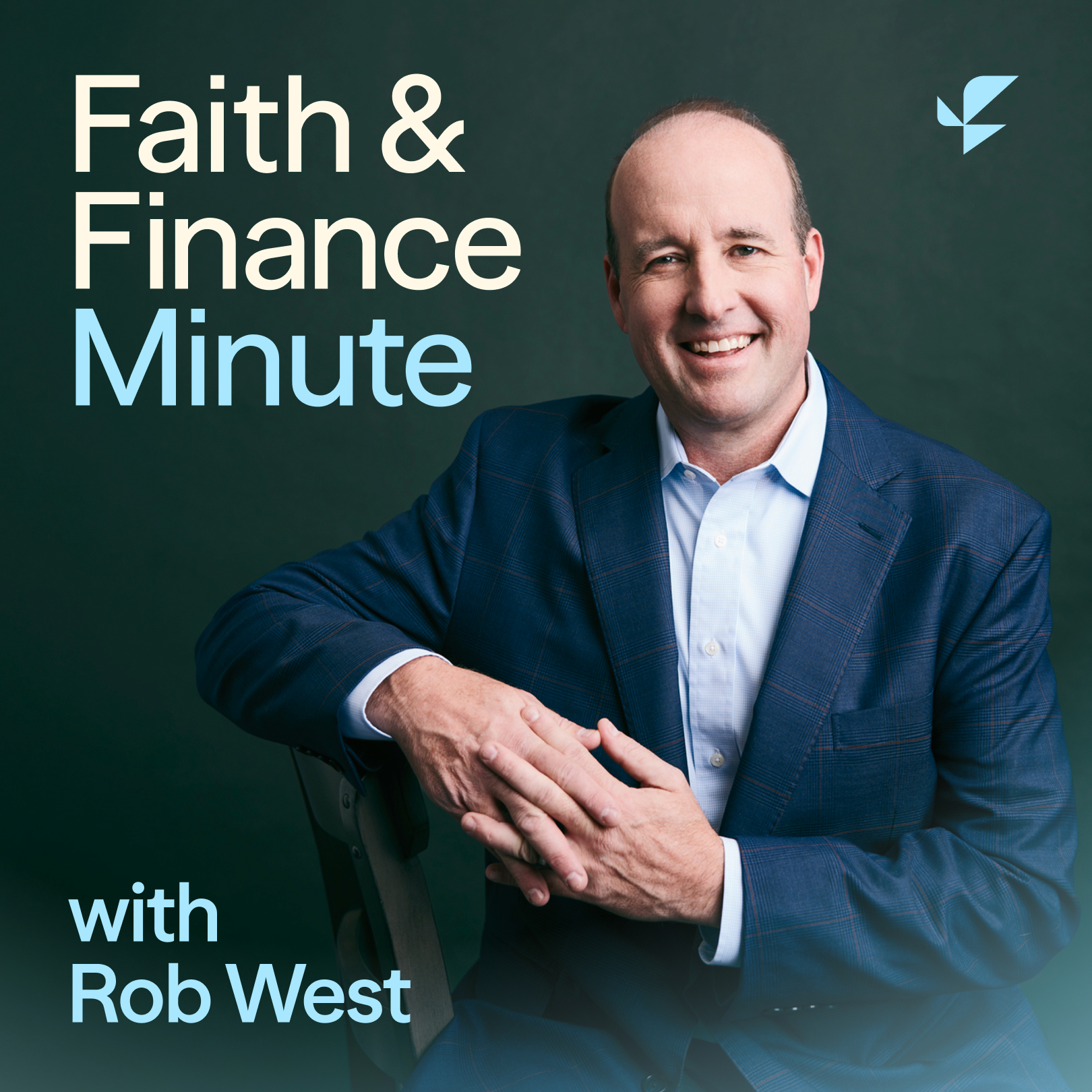
Faith & Finance with Rob West
Do you think of yourself as a generous person? Most of us would like to think we are, but do we know why we’re generous? Jesus told us that it’s better to give than to receive, and Christians are very generous people. Today, we’ll hear from Chris Gabriel about why this is the case and how we can be even more generous. Chris Gabriel is the author of WISEgenerosity: A Guide To Purposeful and Productive Living and Giving. Chris recently spoke to financial professionals at the 2024 Kingdom Advisors Redeeming Money Conference in Orlando. However, his keen insights on why and how we’re generous apply to all of us.

Show Notes
Do you think of yourself as a generous person? Most of us would like to think we are, but do we know why we’re generous?
Jesus told us that it’s better to give than to receive, and Christians are very generous people. Today, we’ll hear from Chris Gabriel about why this is the case and how we can be even more generous.
Chris Gabriel is the author of WISEgenerosity: A Guide To Purposeful and Productive Living and Giving. Chris recently spoke to financial professionals at the 2024 Kingdom Advisors Redeeming Money Conference in Orlando. However, his keen insights on why and how we’re generous apply to all of us.Embracing Generosity: A Divine Design
There's a simple explanation for why we feel compelled to be generous: God made us this way. All discussions on generosity, whether they start this way or not, eventually lead to God. The conversation becomes more meaningful when you share your own stories about giving, priorities, and purpose. Generosity has a powerful impact, and it's no accident. Jesus, the most generous person who ever lived, exemplifies this mindset.
We often encounter a scarcity mindset—the belief that whatever we have is never enough. This lie hinders our ability to give freely. In contrast, God’s abundant economy views opportunities as limitless, accessed through giving and generosity. This principle is captured in Proverbs 11:24: "One gives freely, yet grows all the richer; another withholds what he should give, and only suffers want." This reflects God's intention for how we should live.You Might Also Like
October 23, 2026
Finish the Gift
Planning to give is important, but generosity ultimately requires following through. Rob West explains how a donor-advis...
October 23, 2026
Intentional Giving
Every day, we make decisions about money, but not every decision is made with intention. When it comes to generosity, ma...
October 22, 2026
Goodness Over Greatness
The world often measures success by the greatness of our name, influence, or wealth, but Scripture points us toward a di...