Banking as a Discipleship Tool for Gen Z and Young Adults with Aaron Caid | FaithFi
November 10, 2026
Banking as a Discipleship Tool for Gen Z and Young Adults with Aaron Caid
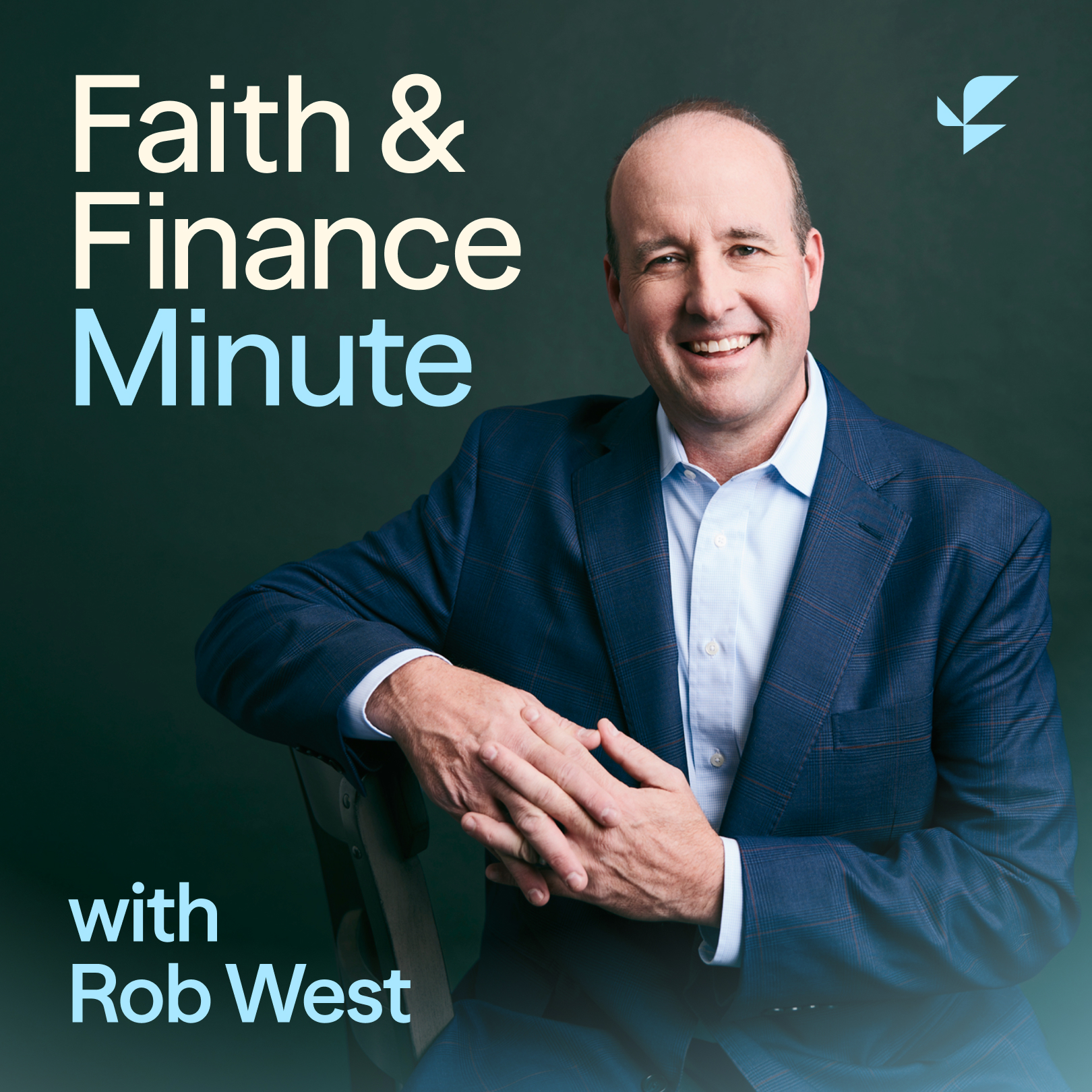
Faith & Finance with Rob West
Financial literacy matters, but for Christians, knowing how money works is only the beginning. True financial wisdom involves understanding not just how to manage money, but why we manage it and whom we're ultimately serving.
For Gen Z and young adults, developing healthy financial habits can lay the foundation for a lifetime of faithful stewardship. And even something as ordinary as choosing where to bank can become an opportunity to put biblical values into practice.
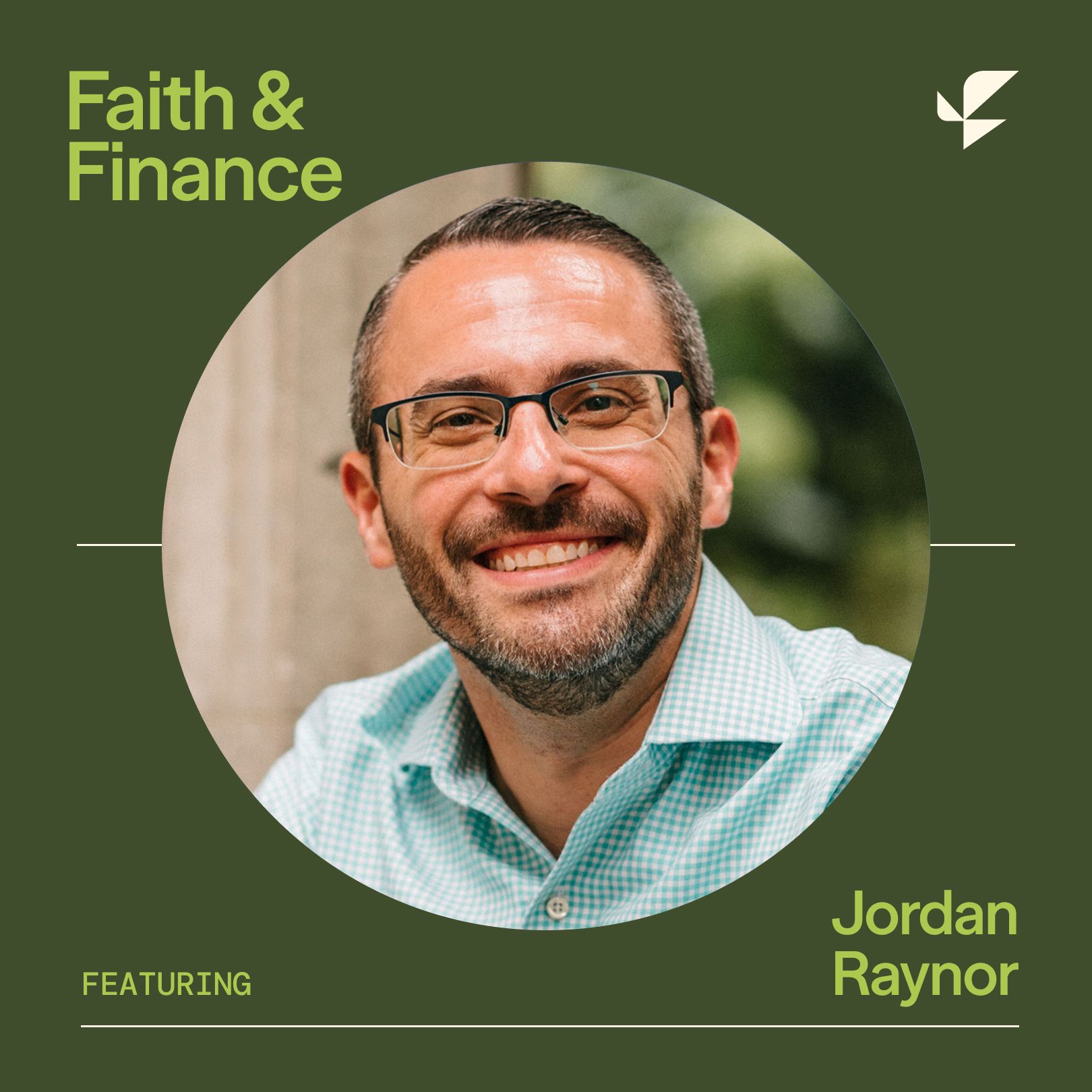
Aaron Caid, Chief Marketing Officer at AdelFi Christian Banking, shares how parents, families, and financial institutions can help the next generation develop a biblical perspective on money.
Why Financial Literacy Alone Isn't Enough
Young adults face significant financial challenges, and recent research reveals just how important financial education has become.
These findings highlight a concerning gap in financial knowledge. But as Caid explains, financial literacy alone isn't enough.
Someone can understand budgeting, investing, and saving while still developing an unhealthy relationship with wealth. Without a foundation of biblical stewardship, financial knowledge can just as easily become a tool for materialism as a means of honoring God.
Biblical stewardship begins with recognizing that God owns everything and has entrusted us with resources to manage according to His purposes. Scripture provides a framework for those decisions, encouraging believers to prioritize:
Giving generously to others.
Providing for their families.
Meeting their financial obligations.
Saving wisely for future needs.
Gratefully enjoying God's provision.
These principles help young adults approach money differently from the surrounding culture. Rather than measuring financial success solely by how much they accumulate, they can learn to evaluate their decisions through the lens of faithfulness, contentment, and generosity.
Financial Discipleship Begins at Home
While financial education is valuable, some of the most influential lessons young people receive about money come from watching their parents.
Caid openly acknowledges that he didn't model financial management as well as he could have when his children were younger. Now that they're young adults, he's still working to reinforce some of those lessons.
His experience underscores an important truth: Financial stewardship is often caught as much as it is taught.
Children learn about money not simply through conversations about budgeting or saving, but by observing how their parents make everyday financial decisions.
Do they see generosity practiced consistently? Do they witness contentment rather than constant striving for more? Do they understand why their family saves, avoids unnecessary debt, or chooses to live within its means?
These ordinary decisions can become meaningful opportunities for discipleship.
Financial health is rarely the result of one extraordinary decision. More often, it's developed through small, faithful habits repeated over time. Budgeting consistently, saving regularly, giving generously, and learning contentment all contribute to a healthier relationship with money.
When parents explain the biblical convictions behind those practices, they help their children understand that stewardship isn't merely a financial responsibility. It's part of following Christ.
How Banking Can Become a Discipleship Tool
Financial discipleship also involves helping young adults see that their faith can shape decisions they might otherwise treat as purely practical.
One example is choosing where to bank. For many people, banking is simply transactional—a place to deposit money, pay bills, and access financial services. But Caid encourages Christians to consider how their choice of financial institution might also reflect their values.
At AdelFi Christian Banking, that philosophy shapes how the institution serves its members. As a Christian financial institution, AdelFi serves individuals, families, churches, and ministries while seeking to reinforce biblical principles of stewardship.
Its banking solutions include savings products, digital tools, and mobile banking services designed to help members manage their finances. At the same time, its mission emphasizes supporting Christian ministries and advancing Kingdom work.
For young Christians, this provides another opportunity to recognize that faith and finances aren't separate areas of life. Banking isn't just about where we keep our money. It's another opportunity to consider how the resources God has entrusted to us can serve His purposes.
Of course, choosing a financial institution still requires careful consideration of practical factors such as fees, accessibility, security, and available services. Faithful stewardship involves both biblical alignment and sound financial judgment.
Building Habits That Last a Lifetime
Ultimately, the goal of financial discipleship isn't simply to raise a generation of financially successful adults. It's to help young people recognize that everything they possess belongs to God and that every financial decision presents an opportunity to honor Him.
That perspective can transform the way they earn, spend, save, give, and even bank.
Parents don't have to model perfect financial management to begin teaching these lessons. They can start by having honest conversations, demonstrating consistent habits, and inviting their children to see money through the lens of God's generosity.
And for young adults just beginning their financial journeys, those same principles offer a foundation for making wise decisions that reflect their faith.
Financial literacy teaches us how to manage money. Biblical stewardship teaches us how to manage it for God's glory.
Bank With Your Values
AdelFi Christian Banking has served Christ followers, churches, and ministries for more than six decades, helping members align their everyday banking decisions with their biblical values.
FaithFi listeners can earn up to a $400 bonus when opening qualifying new accounts, including eligible savings products.
On Today’s Program, Rob Answers Listener Questions:
I’ve heard concerns about countries moving away from the U.S. dollar. How stable is the dollar today, and is there a real risk of major destabilization or collapse?
I added my daughter to my home’s deed with a quitclaim deed and now worry about the tax consequences. Can I remove her, and would another estate-planning option be better?
I donated $30,000 of mutual fund shares directly to a donor-advised fund. Can I deduct the full fair-market value, or only the capital gain?
Our church needs a new roof. Would it be wise to borrow against church property to pay for the repairs, or should we consider another approach?
Remember, you can call in to ask your questions every weekday at (800) 525-7000. Faith & Finance is also available on Moody Radio Network and American Family Radio. You can also visit FaithFi.com to connect with our online community and partner with us as we help more people live as faithful stewards of God’s resources.
Hosted by Simplecast, an AdsWizz company. See pcm.adswizz.com for information about our collection and use of personal data for advertising.