Business for generosity: 5 benefits of turning your business into a “giving engine”
When Rod Brenneman left his job as CEO at Butterball, he’d been in senior leadership roles with food companies for 20...
So he waited. He had, for a long time, viewed his vocation as his mission. And he and his wife, Shelley, had always been committed to giving. They gave consistently to their church and volunteered in ministry. But in this period, he was learning something new, a new way of giving that was much more fun than writing checks.
He didn’t go looking for orphans. His passion was not a particular cause. His passion was using his knowledge and skills to glorify God.
Through business connections and a God-ordained meeting in an airport security line, Rod met Gary Ringger – founder of Lifesong for Orphans and someone equally passionate about business.Lifesong’s approach attracted Rod for several reasons: He was touched by their focus on orphans and vulnerable children, as well as providing education, vocational training, and funding support for adoptions. He was also impressed with the organization’s “100 percent pledge,” promising every dollar of donations fund the ministry, because operational costs are covered through other means – namely charitable businesses.
Soon, the two were “scratching out plans” to use businesses as “giving engines” for God’s work. Rod says he finally discovered something: “What I’ve learned professionally can be a tool to give back, and keep giving.”
What is a giving engine?
For Rod, a giving engine is simply a business that directs a portion of its profits to support ministry, helping to make the ministry sustainable. Instead of giving a check that gets spent to cover the costs of doing ministry, this financial support represents an investment in economic, social, and spiritual transformation. Giving from a business provides ongoing, sustainable support. And, Rod points out, these are real businesses, not hobbies. He expects them to succeed, grow, prosper, produce market-rate returns and gradually take over more of the costs of ministry.
Rod has become acutely aware that everything we have belongs to God, and when we make investments, we do so as stewards of resources that really belong to him. This was a critical learning for him. His understanding and commitment to stewardship now infuses these giving engines with meaning and purpose. It’s not hard for a business guy to find joy in this kind of giving and to feel right in the middle of God’s plan.A giving engine is simply a business that is used to support ministry.
Today, Rod’s involvement with Lifesong demonstrates the breadth of his new philosophy of stewardship. He guides development of businesses like Lifesong Farms in Ukraine and Zambia and helps with buying small businesses and creating startups in the U.S. too. But, like any good business, each of these has a specific purpose. If you’re curious, here’s how it works for them:

- Impact businesses: Lifesong’s ministry is wide and deep, supporting adoption-minded churches and individuals across the U.S. and vulnerable children in 14 countries. But they make a pledge that 100 percent of public gifts go directly to caring for orphans and vulnerable children. This is where the impact businesses that support Lifesong come in. Lifesong Impact owns five small businesses that operate in the U.S. A couple of them have been startups (though Rod says these are tough). Others have been bought from Christian business owners who no longer want to run their businesses but want to see them continue on for kingdom purposes. In some of these cases, these small business owners keep a small percentage of the business in order to send their kids to college, fund their retirement, or do their own giving. The businesses always have some component of discipleship.

5 reasons to love giving engines
The reasons these businesses are so great becomes apparent pretty quickly. Here are a few reasons to love them:
Imagine what could happen to the cause of vulnerable children and orphans if every ministry had this kind of support. Then imagine if this business model was applied to every Christian ministry. Could God be calling you to wait on him to lead you into such a calling too?
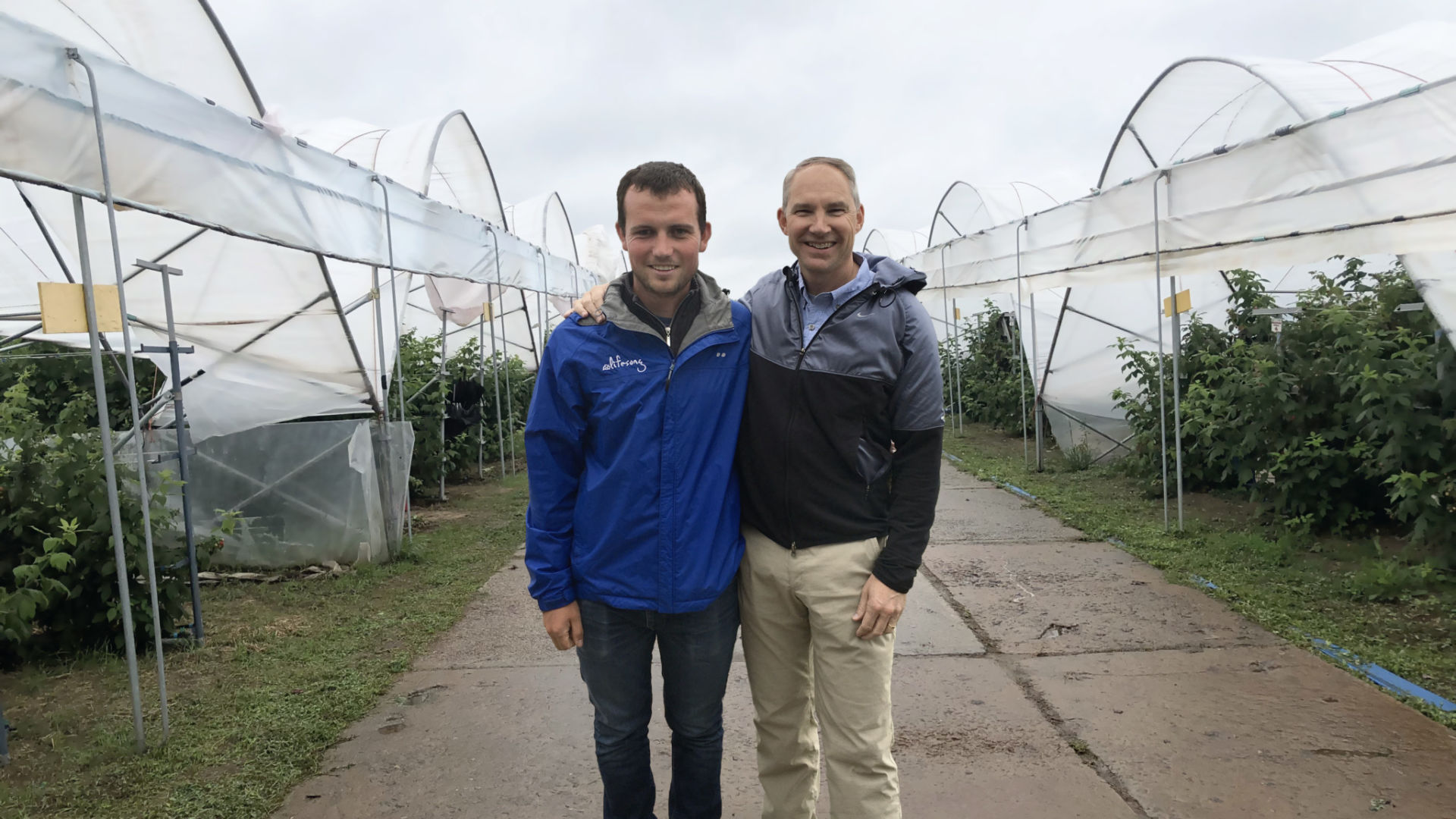
Photo: Rod with Sergei, Manager of Lifesong Farms 1, Ukraine. Sergei became an orphan at the age of 7 but was introduced to the gospel and received training at a trade school through Lifesong.Related Articles

March 6, 2026
Q&A with Ron Blue: A Biblical Mindset for Taxes
Taxes are not optional—they’re part of our obedience to God....

August 17, 2025
When Giving Becomes About Us
Have you ever felt a quiet sense of pride after giving, like you were just a little more faithful than others?...

August 10, 2025
Giving as Worship, Not Leverage
When our generosity becomes a tool for control, we cross a line. In church life, it manifests more than we might expect....