Using Your Investments to Fuel Generosity with Brian Mumbert | FaithFi
November 2, 2026
Using Your Investments to Fuel Generosity with Brian Mumbert
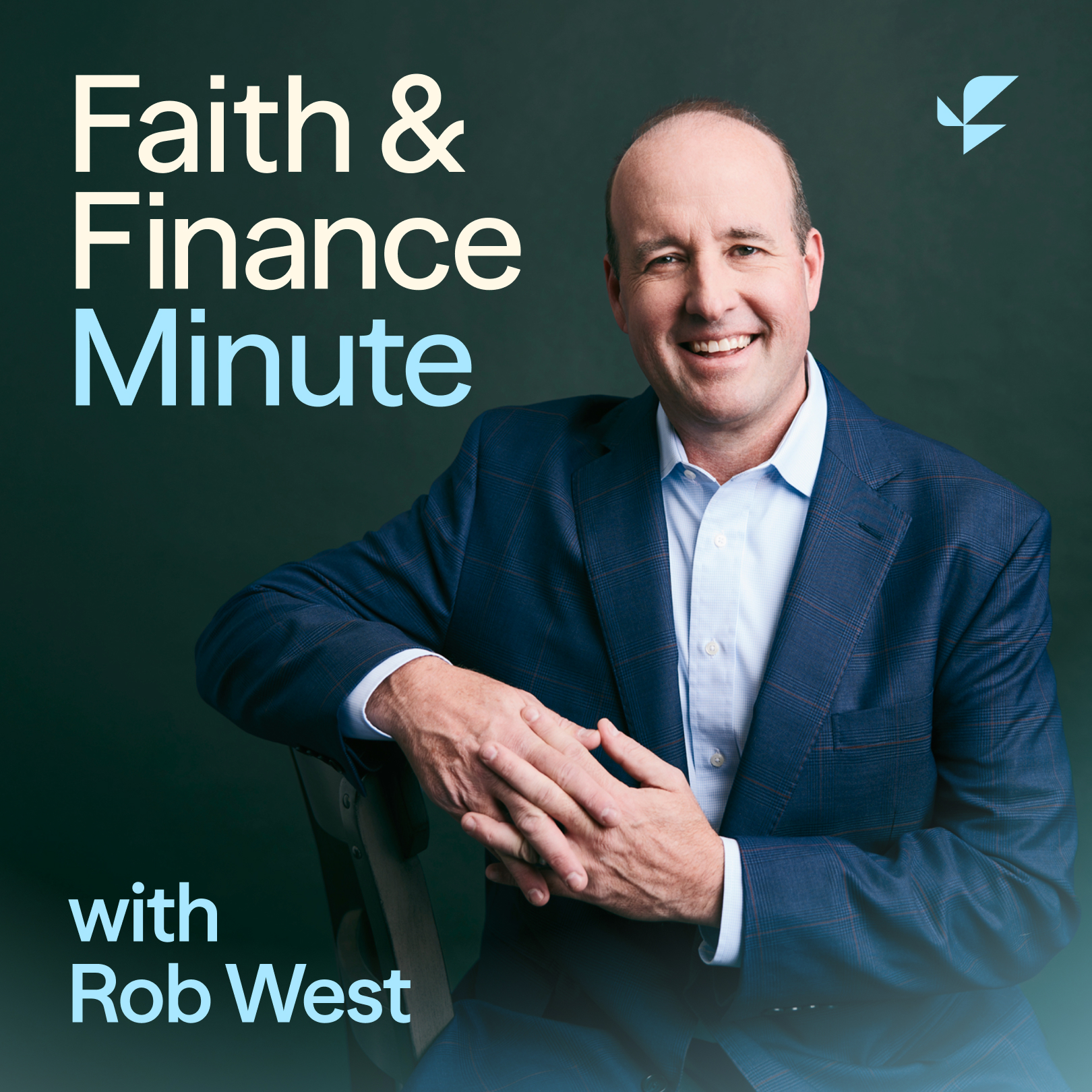
Faith & Finance with Rob West
Your investments can do more than grow your portfolio. They can also create meaningful opportunities to bless others and support the work of God's Kingdom.
As the end of the year approaches, many Christians begin thinking about charitable giving. But generosity doesn't have to come exclusively from a checking or savings account. Your investment portfolio may offer additional ways to give, sometimes with valuable tax advantages.
Brian Mumbert, President and CEO of Timothy Plan, a pioneer in the world of faith-based investing, joined the show today to discuss how Christians can incorporate generosity into their investment strategies.
Generosity Begins With Stewardship
Before considering the financial benefits of charitable giving, it's important to remember why we give in the first place.
Scripture teaches that everything we possess ultimately belongs to God. Our responsibility is to manage His resources faithfully, recognizing that what He's entrusted to us can be used to serve others.
1 Peter 4:10 reminds us, "As each has received a gift, use it to serve one another, as good stewards of God's varied grace."
That perspective transforms how we approach investing. Rather than viewing investments solely as a means of accumulating wealth, we can recognize them as another opportunity to practice faithful stewardship.
For Timothy Plan, this conviction has shaped the company's mission since its founding in 1994. Beyond helping investors align their portfolios with biblical values, the firm has supported ministries ranging from pregnancy resource centers to Christian media and initiatives that equip entrepreneurs.
Mumbert recalled a favorite saying of Timothy Plan founder Art Ally, who often quoted Christian businessman R. G. LeTourneau:
"I shovel out the money, and God shovels it back, but God has a bigger shovel."
While generosity doesn't guarantee financial prosperity, LeTourneau's words reflect a life shaped by the conviction that what God provides is meant to be used for purposes greater than ourselves.
Two Ways to Give From Your Investments
For Christians interested in incorporating generosity into their investment strategy, Mumbert highlighted two practical approaches worth considering.
1. Donate Appreciated Investments Directly
If you own stocks, mutual funds, or exchange-traded funds (ETFs) that have increased in value, you may be able to donate those assets directly to a qualified charitable organization.
This approach can offer an advantage over selling the investments and donating the proceeds. When you sell an appreciated investment, you may owe capital gains taxes on the profit. However, donating the investment directly to an eligible charity can generally allow you to avoid recognizing those capital gains.
Depending on how long you've held the investment and your individual tax situation, you may also qualify for a charitable deduction.
The result? More of your investment's value may go directly toward supporting the ministry or cause you care about.
2. Make a Qualified Charitable Distribution From Your IRA
For individuals age 70½ or older, a qualified charitable distribution (QCD) offers another opportunity to give.
A QCD allows you to transfer funds directly from an eligible IRA to a qualifying charitable organization. When the requirements are met, the distribution is excluded from taxable income. Additionally, if you're required to take minimum distributions (RMDs) from your IRA, a QCD can count toward satisfying that obligation.
This can be particularly helpful for retirees who want to support charitable causes while managing the tax implications of their retirement income.
Of course, both approaches involve specific eligibility requirements and tax considerations. Working with a qualified financial or tax professional can help you determine whether either strategy makes sense for your circumstances.
Don't Wait Until December to Plan Your Giving
One of Mumbert's most practical recommendations is to begin planning charitable gifts well before the end of the year.
Unlike writing a check, transferring investments can require additional paperwork and coordination between your financial institution and the receiving organization. Before initiating a gift, consider these important steps:
Identify the organizations you want to support. Begin with prayerful consideration of the ministries and causes that reflect your convictions.
Confirm that the charity can receive your gift. Not every organization is equipped to accept securities or other noncash contributions.
Consult a trusted financial advisor. A Certified Kingdom Advisor (CKA) can help you consider both the financial and biblical dimensions of your giving decisions.
Allow sufficient processing time. Starting early can help ensure your contribution is completed before the year-end deadline.
While tax advantages can make charitable giving more efficient, Mumbert emphasized that they shouldn't become our primary motivation. The goal isn't simply to reduce our taxes. It's to use what God has entrusted to us to bless others.
Investing With Biblical Convictions
Generosity is also connected to a broader question: How can Christians honor God through the investments they choose to own?
Timothy Plan has sought to answer that question through biblically responsible investing, which considers both financial objectives and the activities investors support through their portfolios. In 2026, Timothy Plan expanded its investment offerings with three new ETFs:
TPFC — Free Cash Flow ETF: Focuses on companies demonstrating strong free cash flow and financial characteristics.
Each incorporates Timothy Plan's biblically responsible investment screening methodology, offering investors additional ways to align their investment decisions with their Christian convictions.
The Greater Purpose of Our Investments
Investing wisely is an important part of faithful stewardship. We save and invest to provide for our families, prepare for future needs, and manage God's resources responsibly. But growing our wealth is never meant to become an end in itself.
Our investments can also become instruments of generosity, allowing us to participate in the work God is doing through churches, ministries, and charitable organizations. And sometimes, the very resources we've been setting aside for tomorrow can become an opportunity to bless someone today.
Our investments may grow in value over time, but their greatest significance is found in how we use them to love God and serve others.
To learn more about biblically responsible investing and Timothy Plan's investment offerings, visitTimothyPlan.com.
On Today’s Program, Rob Answers Listener Questions:
How is the new tax treatment for overtime handled—through my employer’s withholding or when I file my tax return?
Would it be appropriate to designate part of my giving to support my pastor, who serves full-time but receives no salary from the church?
My in-laws want to transfer their home to us before they die. What tax consequences should we consider, especially if we later sell it?
My brother and I own an S corporation and are nearing retirement. Can we take distributions instead of wages? And if I claim Social Security before full retirement age and my benefits are reduced because I keep working, are those benefits permanently lost?
Remember, you can call in to ask your questions every weekday at (800) 525-7000. Faith & Finance is also available on Moody Radio Network and American Family Radio. You can also visit FaithFi.com to connect with our online community and partner with us as we help more people live as faithful stewards of God’s resources.
Hosted by Simplecast, an AdsWizz company. See pcm.adswizz.com for information about our collection and use of personal data for advertising.