How Christian Banking Supports the Body of Christ with Aaron Caid | FaithFi
September 3, 2026
How Christian Banking Supports the Body of Christ with Aaron Caid
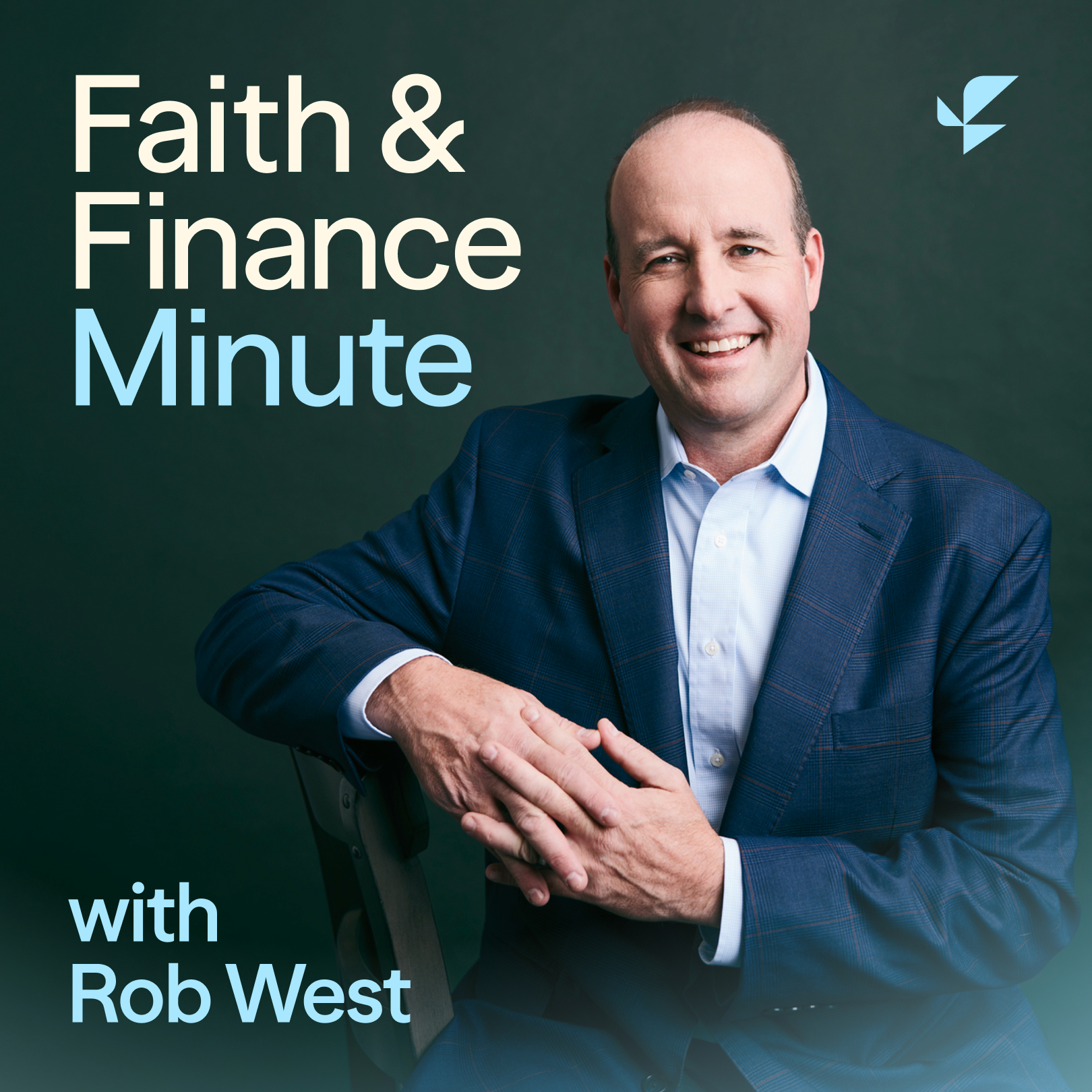
Faith & Finance with Rob West
Where you bank may seem like a purely practical decision. We often compare interest rates, fees, convenience, and technology—and those things matter. But for Christians, banking can also be viewed through the larger lens of stewardship.
Every financial decision gives us an opportunity to consider how faithfully we are managing the resources God has entrusted to us.
Aaron Caid, Chief Marketing Officer at AdelFi Christian Banking, joined the show today to discuss financial discipleship, the role of Christian financial institutions, and how everyday banking decisions can support work that advances the gospel.
Where you bank may seem like a purely practical decision. We often compare interest rates, fees, convenience, and technology—and those things matter. But for Christians, banking can also be viewed through the larger lens of stewardship.
Every financial decision gives us an opportunity to consider how faithfully we are managing the resources God has entrusted to us.
Aaron Caid, Chief Marketing Officer at AdelFi Christian Banking, joined the show today to discuss financial discipleship, the role of Christian financial institutions, and how everyday banking decisions can support work that advances the gospel.
Banking as an Act of Stewardship
Biblical stewardship begins with recognizing that everything ultimately belongs to God. The money we earn, save, spend, borrow, and give has been entrusted to us to manage wisely.
That perspective can shape even routine financial decisions.
“For Christians, our financial decisions are an act of stewardship,” Aaron says. Whether a family is preparing for the future, a church is expanding its outreach, or a ministry is developing its budget, finances touch nearly every area of life.
For a Christian financial institution such as AdelFi, that means providing practical banking tools while keeping biblical stewardship at the center of its mission. Families still need checking accounts, savings tools, loans, and credit cards. Churches and ministries still need financing and cash-management solutions. But those services can be offered with an understanding of the faith and mission behind them.
The strength of a financial institution matters because it affects its ability to serve its members.
For families, that may mean access to resources for managing everyday expenses, building savings, and borrowing wisely. For churches and ministries, it can mean working with financial professionals who understand the unique challenges of ministry—including cash flow, property needs, growth, and long-term planning.
One example came during the aftermath of the COVID-19 pandemic.
Calvary Chapel South Orange County had been holding services outdoors in an outlet mall parking lot while Southern California churches faced restrictions on indoor gatherings. During that period, the congregation grew significantly and eventually became larger than its previous indoor space could accommodate.
The church needed a new facility.
AdelFi helped provide financing that enabled the congregation to purchase a larger property. While the transaction involved a loan, its impact went beyond dollars and cents. A larger building gave the growing church a place to gather, build relationships, worship, and continue growing together.
It shows how financial resources can serve a larger purpose when deployed thoughtfully.
What Is Financial Discipleship?
Christian stewardship isn't ultimately about accumulating as much money as possible. Financial discipleship is about becoming increasingly faithful in the way we handle what God provides.
That includes cultivating wisdom, contentment, generosity, and faithfulness.
Jesus makes the connection between our finances and our spiritual lives clear in Matthew 6. He teaches that we cannot serve both God and money and reminds us, “For where your treasure is, there your heart will be also” (Matthew 6:21).
Our financial habits can either reinforce or compete with the priorities we profess.
Practically, financial discipleship may look remarkably ordinary. It can mean following a realistic spending plan, saving for future needs, avoiding unnecessary debt, practicing generosity, and making decisions based on biblical convictions rather than simply following cultural expectations.
These habits aren't ends in themselves. They help us put money in its proper place—as a tool entrusted to us rather than a master that controls us.
Can Where You Bank Make a Difference?
Stewardship can also raise another question: What happens to our money after we deposit it?
Financial institutions use deposits to support lending and other financial activity. That means Christians may want to consider not only the products a bank offers but also the purposes their financial institution helps support.
At AdelFi, members' deposits help provide resources to serve Christian families, churches, and ministries.
According to Aaron, AdelFi has funded more than $1 billion in ministry real estate loans, helping churches and ministries acquire or improve facilities while pursuing financially responsible solutions.
The organization also offers products designed to connect everyday financial activity with generosity. Its Cash Rewards Visa®, for example, allows members to earn cash back, while AdelFi also gives to Christian ministries and missions when members use their cards.
None of this means choosing a Christian financial institution is required for faithful stewardship. Christians can honor God through many different financial arrangements. But it reminds us that stewardship invites us to think intentionally about all our financial choices—including where we bank.
Bringing Faith Into Everyday Financial Decisions
Faithful stewardship isn't limited to the offering plate or the major financial decisions we make a few times in life.
It reaches into the ordinary.
How we budget. How we borrow. How we save. How we spend. And even where we choose to keep our money can reflect what we value.
The goal isn't simply to make every financial decision appear “Christian.” It's to recognize that every dollar belongs to God and then prayerfully ask how we can manage His resources with wisdom, generosity, and faithfulness.
When our financial choices are shaped by that perspective, even something as routine as choosing a bank can become another opportunity to align our money with our faith.
To learn more about AdelFi Christian Banking and its Cash Rewards Visa®, visit FaithFi.com/Banking. Apply by December 31 to earn a $200 bonus, plus 1.5% cash back on every purchase and other benefits. With every swipe, AdelFi also gives to Christian charities.
On Today’s Program, Rob Answers Listener Questions:
My husband and sister both passed away, and I received life insurance benefits from each. From a biblical perspective, should I tithe on those proceeds?
Our younger daughter needs help with a down payment on property where she hopes to build a home. We’d like to help, but we still have a mortgage, only a few months of cash reserves, older vehicles, and several recent major expenses. Would helping her be wise, or would it put our own finances at too much risk?
I’m retired, legally blind, and currently rent a home for $500 a month. The VA has approved grants to modify it for my needs, but my daughter thinks I should buy land and put a prefab home on it so I can build equity. Considering the added costs of ownership, would I be better off continuing to rent or buying a home?
Remember, you can call in to ask your questions every weekday at (800) 525-7000. Faith & Finance is also available on Moody Radio Network and American Family Radio. You can also visit FaithFi.com to connect with our online community and partner with us as we help more people live as faithful stewards of God’s resources.
Hosted by Simplecast, an AdsWizz company. See pcm.adswizz.com for information about our collection and use of personal data for advertising.