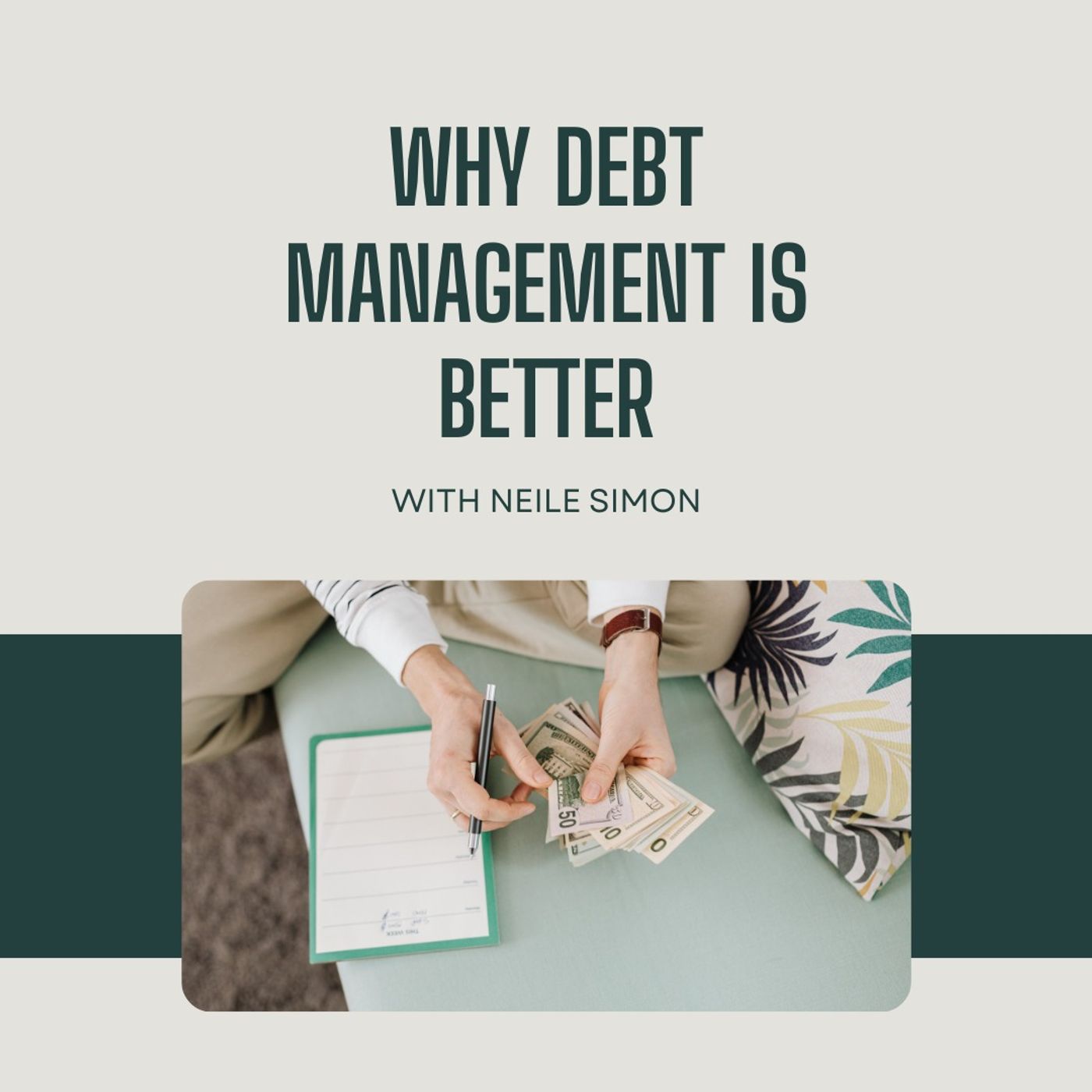
Most people understand that time has value. Maybe that’s why we often use the expression, “spending time.” What a lot of folks don’t understand is just how valuable time really is and If they did, it just might change the way they spend money.
Most people understand that time has value. Maybe that’s why we often use the expression, “spending time.” What a lot of folks don’t understand is just how valuable time really is and If they did, it just might change the way they spend money. Rob West helps you figure out what your time is worth. This is MoneyWise Live - biblical wisdom for your financial decisions.
It’s important to point out that God values our time. Like all the other resources He provides, He’s given each of us only a certain amount of it. He wants us to be faithful stewards of the days and hours we have.
Psalm 90:12 reads, “Teach us to number our days that we may get a heart of wisdom.” And James 4:14 admonishes us to make the best use of our time today. It reads, “You do not know what tomorrow will bring. What is your life? For you are a mist that appears for a little time and then vanishes.”
Since most of us have to work to provide for ourselves and our families it’s important to understand what our time on the job is really worth, so we can be faithful stewards of it.
To figure what you really earn per hour, take the total or gross amount you put down on your last tax return. Jot that down. Then subtract anything you paid in taxes - including Social Security and Medicare taxes - plus the income tax you paid. You’re left with your net earnings.
For example: let’s say you earned a total of $52,000, and you paid $10,000 in Social Security, Medicare and income taxes, leaving you with $42,000. Next, you divide that $42,000 by 52 weeks, and you get roughly $800. That’s what you’re netting in a week. Assuming you work a 40-hour week, divide 800 by that number - 40 - and you get $20 an hour. That’s your real hourly wage.
If you typically work more than 40 hours a week, it means you’re earning even less than $20 an hour after taxes. All this might seem a little disheartening, especially if you’ve always thought you earn more like $25 an hour, which of course, you do, but that’s before taxes.
That’s why it’s important to understand what your time is worth in real dollars - dollars that you can actually spend - because then you begin to see how long you have to work to buy something.
Let’s say one night, you’re tired and you don’t feel like cooking so you pick up fast food costing $50 for the family. When you realize that you had to work two and a half hours to pay for that meal, you’re much more inclined to spend one hour making dinner at home and cleaning up after.
When you know what things really cost, it really can change your spending habits. You’ll be far less likely to give in to impulse spending. Some economists are now calling this “value-based spending.”
What’s that? It’s about spending only on things that really matter. If you look at your last several months of checking account statements, you’ll probably see a purchase here for $10, another one there for $20, maybe one for $50 and so on.
Look at each item you purchased - a dinner out, or maybe some gadget caught your eye at a big box store. Look them over and think - did they really add value to my life? Especially knowing how long you had to work for them? Probably not, because you begin to realize that you can never get those hours back.
What about your credit card statement? Not only for things you purchased, but if you’re maintaining a balance - look at the interest you’re paying every month. What value do you get from that? None.
Now that you know how long you have to work for those things, you probably want to make some changes and just cutting out impulse spending is a huge step forward. As your time becomes more important to you, you’ll free up money that you can spend in areas that have more value.
That means paying down debt, building an emergency fund, saving for your next car, investing for retirement or the kids’ college - any number of things.
Grasping the concept of value-based spending will do something else, too. It will make you want to overhaul your budget, because you’ll suddenly find yourself with more money. You’ll be able to cut back in some categories and re-allocate money to others that’ll help you in the long term, and that certainly includes giving more generously.
It’ll take time for all of this to happen, but it’s easy to get started once you’ve figured your real hourly wage. Just keep that number in mind before you make a purchase. It’ll help you decide whether it’s really worth your time.
It will also help to memorize and meditate on Proverbs 21:20, “Precious treasure and oil are in a wise man's dwelling, but a foolish man devours it.”
On-Air Mention:
As you’re exploring ways to spend, save, and give wisely, many people are using the MoneyWise app to help provide the wisdom, community, and money management to stay on track, financially-speaking. To date, over 37,000 members are using its digital envelope system, participating in our community forums, and engaging in virtual workshops. And one of the most convenient features is the ability to keep all of your accounts in one place for an easy at-a-glance view. Choose from 1 of 3 options depending on your management style, and it's available on desktop or mobile. Go to moneywise.org and click “App” to get started.
Faith and Finance Announcement:
We’re excited to announce on January 2nd, 2023, the MoneyWise radio show will become the ‘Faith & Finance’ radio show, along with the FaithFi app and website. As an organization, we sensed the need to strengthen the way that we express the Christian worldview of faith and finances. Our legacy should be more than simply being wise with money–we should be used by God as faithful, selfless stewards to advance his Kingdom.
We'll still be the same trusted voice and continue to bring you the best biblical financial content and resources to help you become a good and faithful steward. So listen for Faith & Finance on January 2nd.
Next, Rob answers these questions at 800-525-7000 or via email at Questions@MoneyWiseLive.org:
Is this a good time to purchase your first home if you have your 20% downpayment but are not in a rush to buy?
What are recommended online banks that offer high yield savings accounts? (Rob referred the caller to Ally,Marcus, and CapitalOne 360).
If you retired at age 66 and started drawing Social Security and are now 72 and still paying FICA taxes, will that increase your Social Security benefit?
How do you purchase I Bonds? (Rob referred the caller to TreasuryDirect.gov).
If you and your husband like your mobile home in a 55 and older park but are concerned about rising lot fees, should you consider purchasing a stick-built home?
Are TSP retirement account funds taxed when you withdraw them, if you are still working?
Is it worthwhile to purchase long term care insurance with a benefit period of three years while you are in your sixties?
Is there anything you need to report to your pension provider and the Social Security Administration if you are in the process of moving from New York to Florida?
If you older than 65 and are covered by employer-provided health insurance can you avoid going on Medicare, and if you do sign up for it, how does the 'secondary coverage' work?
What should you do with $300,000 in cash if you are age 71, have a mortgage of about $185,000, and have saved these funds since going through extreme financial upheaval several years ago? (Rob referred the caller to Certified Kingdom Advisors).
Where should you start if you need assistance with your finances across the board including savings and paying off debt?
Would it be in your best interests to take a hit and move your savings that are in a five year CD at 2.5% to a shorter term CD at a higher rate? (Rob referred the caller to bankrate.com to research rates).
What are the risks involved with I Bonds?
Be sure to check out the rest of MoneyWise.org to connect with a MoneyWise Coach or access our books and our many free helpful resources. You can also find us on Facebook (MoneyWise Media) and join the conversation. Thanks for your prayerful and financial support that helps keep MoneyWise on the air. And if you'd like to help, just click the Donate tab at the top of the page.