Should you sell or buy when home values are on the rise?
As an existing or prospective homeowner, knowing when to sell or buy is crucial to building wealth through your home.
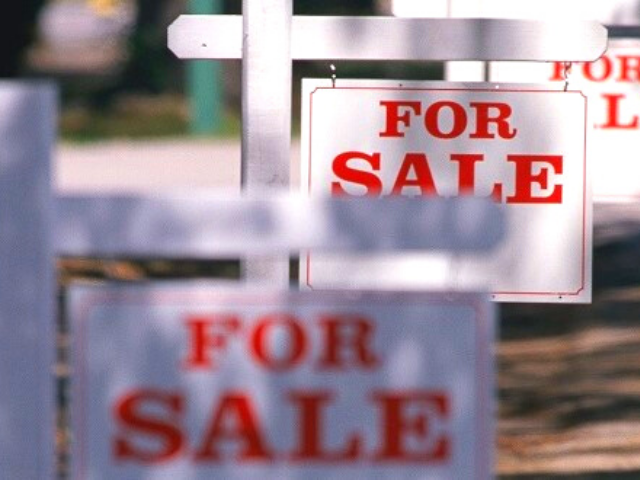
As an existing or prospective homeowner, knowing when to sell or buy is crucial to building wealth through your home, especially in markets where values are on the rise. According to home finance expert Dale Vermillion, there a few key considerations when deciding to sell or buy in an up-trending market.
Listing Your Home in An Appreciated MarketAs a homeowner, it’s a common struggle to know whether selling your home as values are rising. On the one hand, you have an opportunity realize the equity for savings, debt elimination, or additional purchasing power. On the other hand, comparable homes may have seen similar—or even greater—appreciation, offsetting any gain you have otherwise realized.
So how do you know if it’s the right decision to sell? According to Dale Vermillion that depends on your financial goals, personal goals, and the unique conditions of your local market.
Financially, selling is never advised unless the gain you realize through the sale of your home is substantial enough to cover the cost of closing, purchase a comparable—or even a better—home, and have funds left over for savings, home improvements, debt elimination, etc. At all costs, avoid making the mistake of selling your home just to realize you can’t afford a new place to live that’s comparable or better.
Personally, the decision to sell should be driven by what’s important to you and any other decision makers. Maybe you have a large amount of equity in your home and are willing to rent for a period between selling your current home and buying your next home, selling can be a great decision. Similarly, let’s say you’ve simply outgrown your home and more space is more important than realizing gain on the sale of your home. Leveraging the equity in your current home to “buy up” to a bigger home can be a great decision.
Of course, any decision to sell has to make sense in your local market. This is where the advice of a trusted real estate professional can be invaluable. Before listing your home, consult a knowledgeable real estate agent or loan officer who understands your local market to determine whether buying a home could put you at risk of coming “under water”—owing more on your mortgage than your house is worth.
So, before you leverage the equity of your home through selling, develop or review your financial plan, think through your personal reasons for selling and what you need and want in a home, and talk to a trusted real estate professional who understands your local market.
Buying A Home in An Appreciated MarketWhat about buying a home as values are rising? Purchasing a home in an up-trending market can be a great decision but should be made carefully and with the help of trusted real estate professionals.
Often, buyers in appreciating markets rush their purchase decision to avoid paying even steeper prices in the future, but that can be a critical mistake. While there’s nothing wrong with moving quickly to purchase a desirable home—in fact, it’s advisable to have everything in place to be able to make a swift offer when the right opportunity comes along—making a hasty decision to buy almost always results in buyer’s remorse, something you want to avoid at all costs when making one of the largest, most personal financial decision in your lifetime.
When buying on the rise, it’s best to start by consulting a trusted real estate professional who understands your target area and can advise you on whether home prices have reached unsustainable highs. Buying a home that’s so overpriced by surging demand that your mortgage would be higher than the actual value of the home is never a wise decision. Instead, work with a trusted professional to identify at least 3-5 homes that meet your personal needs and wants, and that are selling for fair market value.
Once you have a list of viable homes, it’s extremely important to work with a trusted lender to get pre-approved and pre-underwritten. Doing so shows your commitment to buy and strengthens your offer against competing bids.
While it can be a great decision to offer more money down or waive conditions, be very careful not to over-extend yourself or put yourself at risk of buying a home that may have undiagnosed issues that could be expensive to fix.
When buying in an up-trending market, having a detailed financial plan in place and being willing to let homes go that prevent you from sticking to that plan is critical to ensuring you make a wise purchasing decision that your home serves as a financial asset—not a liability—for years to come.
About Dale Dale Vermillion is the proud author of Navigating the Mortgage Maze and Founder & CEO of Mortgage Champions®, a company that trains lenders how to help consumers like you make wise lending decisions.Related Articles

April 3, 2026
It Is Finished
On Good Friday Rob West reminds us that because of Christ’s finished work on the cross, we live not trying to earn God’s...

April 3, 2026
It Is Finished
“For you know the grace of our Lord Jesus Christ, that though he was rich, yet for your sake he became poor, so that you...

April 2, 2026
Did Jesus Condemn Wealth—or Corruption?
Did Jesus condemn wealth or the misuse of it? Rob West talks about what Jerry Bowyer pointed out... Jesus addressed peop...