Reverse Mortgages: Separating Fact From Fear with Harlan Accola | FaithFi
August 25, 2026
Reverse Mortgages: Separating Fact From Fear with Harlan Accola
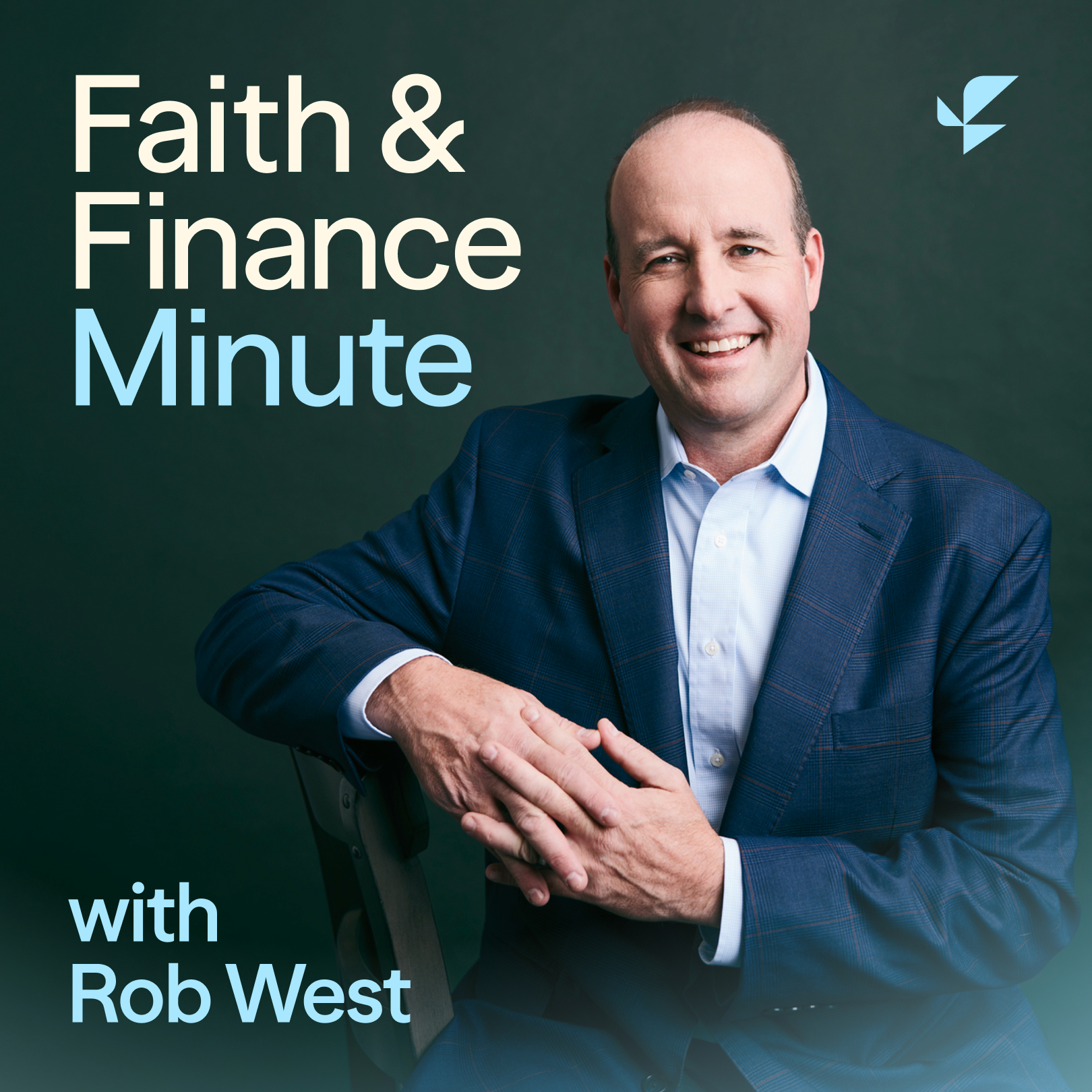
Faith & Finance with Rob West
Reverse mortgages have carried a negative reputation for years, especially among Christians who are cautious about debt. But as with any financial tool, faithful stewardship calls us to understand how it works before deciding whether it belongs in a financial plan.
Harlan Accola leads the reverse mortgage team at Movement Mortgage, a FaithFi underwriter. He joined the show today to explain why reverse mortgages remain controversial, how today’s Home Equity Conversion Mortgage (HECM) differs from older products, and when it might play a useful role in retirement planning.
Reverse mortgages have carried a negative reputation for years, especially among Christians who are cautious about debt. But as with any financial tool, faithful stewardship calls us to understand how it works before deciding whether it belongs in a financial plan.
Harlan Accola leads the reverse mortgage team at Movement Mortgage, a FaithFi underwriter. He joined the show today to explain why reverse mortgages remain controversial, how today’s Home Equity Conversion Mortgage (HECM) differs from older products, and when it might play a useful role in retirement planning.
Why Are Christians Hesitant About Reverse Mortgages?
For many believers, the hesitation begins with debt itself. Scripture repeatedly encourages wisdom, contentment, and caution in financial matters, so borrowing against a home's equity can feel contrary to good stewardship.
There is also the lingering reputation of earlier reverse mortgage products. Many people remember stories involving high costs, confusing terms, or homeowners facing difficult circumstances later in life.
Accola says those concerns are understandable. “I felt the same way in the past before I understood them,” he said.
But he argues that many people are evaluating today’s federally insured reverse mortgages based on older versions of the product—or confusing them with other home-equity arrangements that work very differently.
That makes it important to understand exactly which product is being considered and how its protections, costs, and obligations work.
What Is a HECM?
The most common type of reverse mortgage is the Home Equity Conversion Mortgage, or HECM, which is insured by the Federal Housing Administration.
Unlike a traditional mortgage, a HECM generally does not require the borrower to make monthly principal and interest payments. Instead, the loan balance typically grows over time and becomes due when the borrower no longer occupies the home as a principal residence, sells the property, or dies.
The homeowner still retains ownership of the home and remains responsible for obligations such as property taxes, homeowners insurance, and property maintenance.
HECMs also include protections designed specifically for older homeowners. Borrowers must complete independent counseling before obtaining the loan, and the loans are non-recourse, meaning the borrower or heirs generally will not owe more than the home's value when the loan is repaid.
Certain eligible non-borrowing spouses may also be able to remain in the home after the borrowing spouse dies, provided they meet program requirements.
Those features make today’s HECM significantly different from some of the products that contributed to reverse mortgages’ poor reputation in earlier decades.
Turning Home Equity Into Retirement Flexibility
For many retirees, a home represents one of their largest assets. Yet that wealth is often difficult to use without selling the property or taking on more debt.
A reverse mortgage can potentially convert a portion of that equity into accessible funds.
One possible benefit is improved monthly cash flow. Eliminating a required mortgage payment could help a retiree living on reduced income balance a budget without turning to credit cards or other higher-cost borrowing.
Reverse mortgage proceeds may also provide additional resources for expenses such as home repairs, healthcare, or long-term care.
A HECM line of credit can offer another form of flexibility. For example, retirees may be able to draw from home equity during a market downturn rather than selling investments after they have declined in value. Used carefully, that could give an investment portfolio more time to recover.
Home equity might also help preserve other retirement assets for later years, a surviving spouse, or heirs.
The goal isn’t simply to access more money. It’s to consider all the resources God has entrusted to us and ask how they can work together wisely.
As Luke 16:10 reminds us, “One who is faithful in a very little is also faithful in much.”
Faithfulness includes not only how we accumulate resources but also how thoughtfully we use what God has already provided.
Could a Reverse Mortgage Support Generosity?
Accola has also seen situations where accessing home equity allowed retirees to give more generously during their lifetime rather than waiting for assets to transfer after death.
That won’t be the right choice for everyone. Giving should never come at the expense of maintaining appropriate provision for yourself or a spouse.
But the example highlights an important stewardship principle: a home is not necessarily separate from the rest of a financial plan simply because its value is tied up in real estate.
For some families, home equity may be another resource to consider prayerfully alongside savings, investments, retirement income, and other assets.
Start With the Plan, Not the Product
A reverse mortgage is not appropriate for every homeowner. Before pursuing one, Accola recommends beginning with the bigger financial picture. Ask questions such as:
How long do we expect to remain in this home?
How would a reverse mortgage affect our monthly cash flow?
What costs are associated with the loan?
How will we continue paying property taxes, insurance, and maintenance?
How could the loan affect what we eventually leave to our heirs?
Are there other resources available that might accomplish the same goal?
How does this decision fit within our overall retirement, estate, and generosity plans?
That last question may be the most important.
A reverse mortgage should not be viewed simply as a financial product to purchase. It should be evaluated within the context of a thoughtful retirement plan.
Working with professionals who understand both the technical details of the loan and the homeowner’s broader financial goals can help families consider the tradeoffs carefully.
Is a Reverse Mortgage Right for You?
A reverse mortgage isn’t for every household, and using home equity should never be an excuse for careless spending. But you shouldn't reject the product simply because of its reputation.
For the right homeowner, a modern HECM may turn otherwise inaccessible home equity into a flexible resource for cash flow, retirement planning, long-term care, or even greater generosity.
Faithful stewardship means looking carefully at every resource God has entrusted to us, understanding our options, and making decisions that serve the larger financial plan.
To learn more about reverse mortgages through Movement Mortgage, visit FaithFi.com/Movement.
On Today’s Program, Rob Answers Listener Questions:
My daughter was approved for a $325,000 mortgage, but the rate wasn’t locked. Now that she’s found a home, the lender says she has to choose when to lock, with rates ranging from about 5.6% to 6.75%. How should she decide when to lock in her rate?
I’m 78 and considering buying a $300,000 home in a 55+ community. I also own a rental property with about $88,000 left on a 4% mortgage, and I don’t need the rental income to cover my expenses. Should I keep the rental or move into it? And if I buy in the 55+ community, how should I balance paying cash versus taking a traditional or reverse mortgage?
Remember, you can call in to ask your questions every weekday at (800) 525-7000. Faith & Finance is also available on Moody Radio Network and American Family Radio. You can also visit FaithFi.com to connect with our online community and partner with us as we help more people live as faithful stewards of God’s resources.
Hosted by Simplecast, an AdsWizz company. See pcm.adswizz.com for information about our collection and use of personal data for advertising.