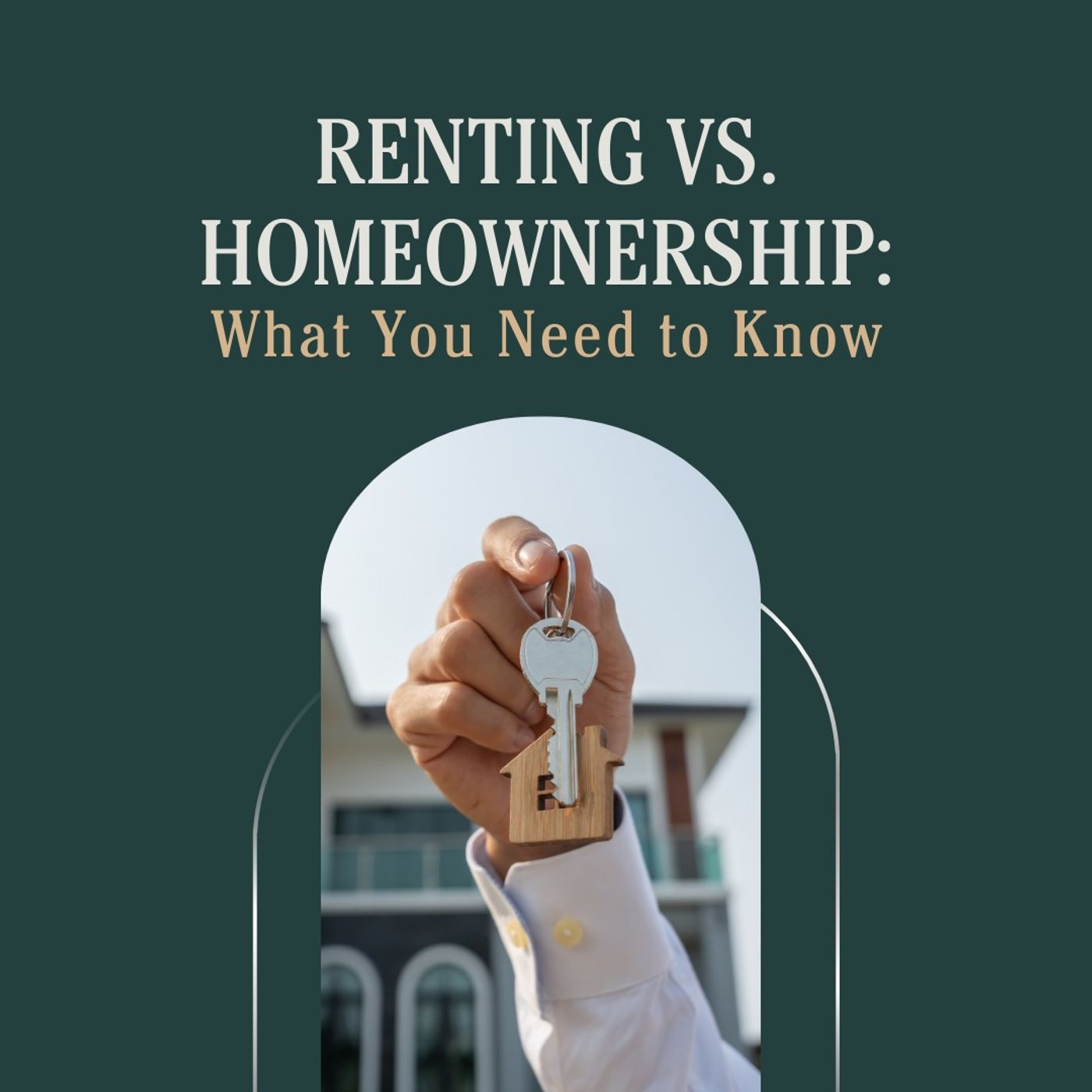
Renting vs. Homeownership: What You Need to Know
Faith & Finance with Rob West
Scripture reminds us that wisdom often begins with counting the cost. As the average age of a first-time homebuyer approaches 40, many people are asking an important and sincere question: Is now the right time to buy a home—or should we continue renting? That question usually reflects a desire to make a wise, lasting decision—one that supports long-term stability rather than undermining it. Before comparing monthly payments or imagining life in a new space, it’s worth taking a clear-eyed look at what it truly costs to move from renting into homeownership.
Show Notes
That question usually reflects a desire to make a wise, lasting decision—one that supports long-term stability rather than undermining it. Before comparing monthly payments or imagining life in a new space, it’s worth taking a clear-eyed look at what it truly costs to move from renting into homeownership.
The Upfront Costs Many First-Time Buyers Miss
One of the biggest surprises for first-time buyers is the sheer cost of getting into a home. The pre-approval and closing process involves numerous expenses, including appraisals, inspections, credit reports, earnest money, title searches, loan origination fees, and closing costs. Taken together, these can add up to thousands of dollars before move-in day ever arrives.
For renters transitioning to homeownership, these costs are typically paid out of pocket. That’s one reason many advisors encourage having close to 20% of the purchase price available—not only for a down payment, but to create margin for the entire process. This isn’t about delaying dreams unnecessarily; it’s about ensuring homeownership doesn’t begin with financial strain.
Many renters feel a growing weariness with paying rent month after month, especially compared with building equity. That desire for something tangible and lasting is understandable—but it’s important to remember that rent is not wasted money.
Rent pays for shelter, safety, maintenance, and predictability. It meets a real and ongoing need and, in that sense, pays for a valuable service. During certain seasons of life, that flexibility and stability can be a wise and intentional choice.
Understanding What a Mortgage Really Includes
You Might Also Like

April 3, 2026
It Is Finished
On Good Friday Rob West reminds us that because of Christ’s finished work on the cross, we live not trying to earn God’s...

April 3, 2026
It Is Finished
“For you know the grace of our Lord Jesus Christ, that though he was rich, yet for your sake he became poor, so that you...
April 2, 2026
Did Jesus Condemn Wealth—or Corruption?
Did Jesus condemn wealth or the misuse of it? Rob West talks about what Jerry Bowyer pointed out... Jesus addressed peop...