Overcoming Financial Unrest with Elizabeth Brickman | FaithFi
July 9, 2026
Overcoming Financial Unrest with Elizabeth Brickman
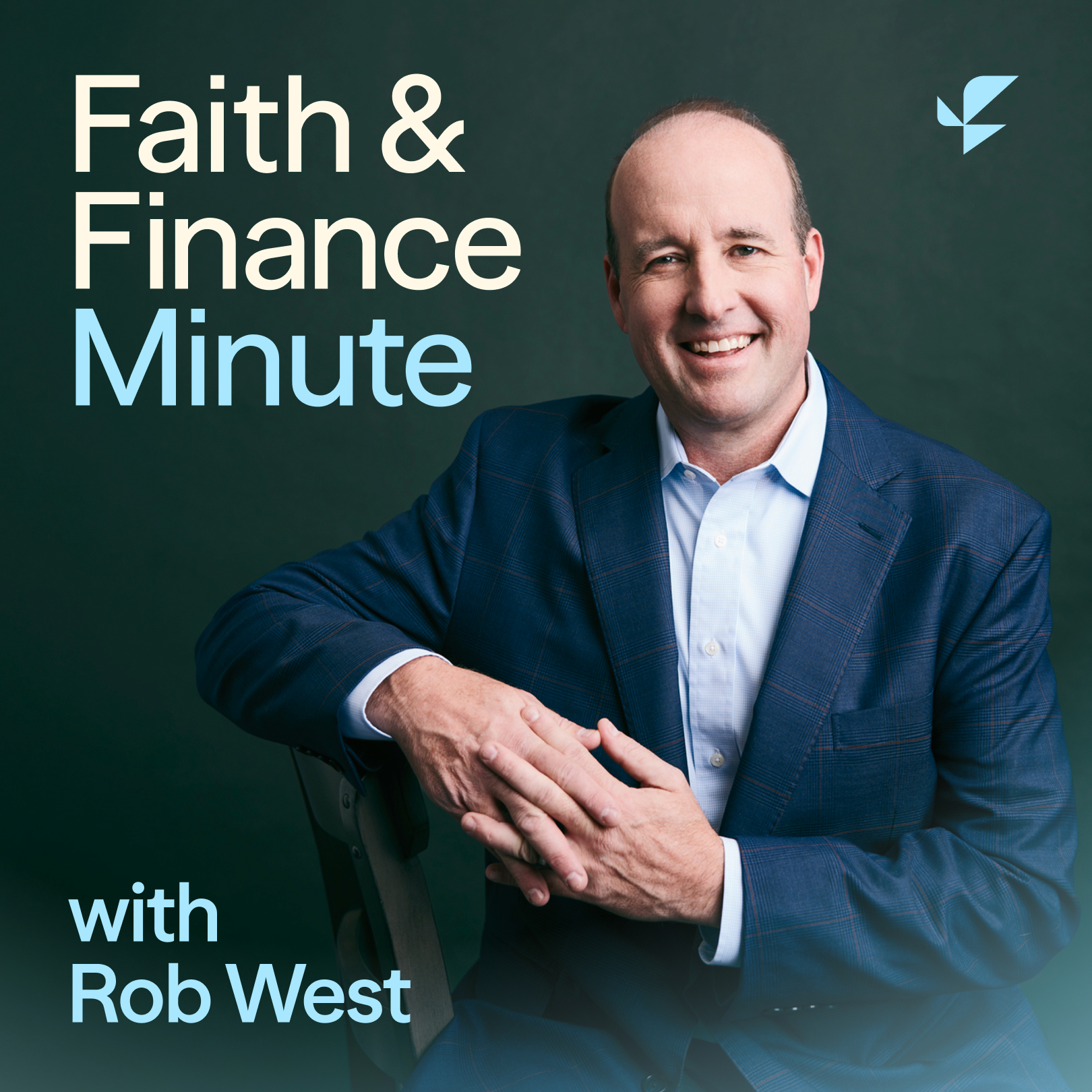
Faith & Finance with Rob West
Corrie ten Boom once said, “If you look at the world, you’ll be distressed. If you look within, you’ll be depressed. But if you look at Christ, you’ll be at rest.”
That truth speaks directly to the way many people feel about money. When money becomes the place we look for peace, security, or identity, financial unrest is never far behind. And while it may seem like more money would solve that unrest, Scripture points us to something deeper.
Elizabeth Brickman, a Certified Kingdom Advisor® (CKA®), longtime financial advisor, and author of Wealth Blessed and Wealth Confident, has spent more than 25 years helping people think biblically about money.
Through her own financial challenges and her work with clients, she has seen that true peace does not begin with a larger bank account. It begins when we stop asking money to carry what only God can.
Corrie ten Boom once said, “If you look at the world, you’ll be distressed. If you look within, you’ll be depressed. But if you look at Christ, you’ll be at rest.”
That truth speaks directly to the way many people feel about money. When money becomes the place we look for peace, security, or identity, financial unrest is never far behind. And while it may seem like more money would solve that unrest, Scripture points us to something deeper.
Through her own financial challenges and her work with clients, she has seen that true peace does not begin with a larger bank account. It begins when we stop asking money to carry what only God can.
Why Financial Life Feels So Restless
Many people feel financially restless because life itself rarely slows down. News, markets, social media, and cultural pressure are constantly telling us that more is better, faster is necessary, and comparison is unavoidable.
That message is very different from the wisdom of Scripture.
The world encourages us to chase more. God calls us to trust Him. The world tells us to measure our worth by what we own. God reminds us that our identity is found in Christ. The world keeps us anxious about what might happen next. God invites us to seek first His Kingdom.
That doesn’t mean financial concerns are imaginary. Bills, debt, rising costs, and future needs are real. But unrest grows when those concerns become bigger in our hearts than the Lord’s faithfulness.
Elizabeth notes that this struggle is not limited to one income level. Financial unrest can affect both believers and unbelievers, the poor and the rich. That is because unrest is not ultimately about how much money we have. It is about the mindset and heart posture we bring to money.
When You Feel Overwhelmed
One common source of financial unrest is feeling overwhelmed.
When bills pile up, debt grows, or expenses feel unclear, it can be tempting to avoid the numbers altogether. Some people stop opening the mail. Others avoid checking their accounts. But avoidance usually increases anxiety rather than relieving it.
Proverbs 27:23 says, “Know well the condition of your flocks, and give attention to your herds.” In an ancient agricultural context, that meant understanding the condition of one’s livelihood. Today, the principle still applies. Wise stewardship requires clarity.
That first step can be uncomfortable. Looking honestly at income, expenses, debt, savings, and giving may feel painful at first. But clarity allows us to move from vague fear to faithful action.
Once the numbers are known, a plan can begin. We can ask questions like:
What do we owe?
What do we need to prioritize?
Where can we reduce spending?
What habits need to change?
How can we continue honoring the Lord with what He has entrusted to us?
God is not a God of disorder, but of peace. Facing financial reality is not an act of fear. It can be an act of faith, trusting that the Lord meets us in the truth and gives wisdom for the next step.
Building Restful Financial Rhythms
Financial peace is often strengthened through simple, faithful rhythms.
Elizabeth emphasizes the value of habits because habits reduce the weight of constant decision-making. When giving, saving, spending, and debt repayment are built into regular patterns, we do not have to start from scratch every time money comes in.
A budget is not merely a restriction. It is a tool for aligning financial decisions with God-given priorities. When we establish rhythms around generosity, saving, and wise spending, we are better prepared to resist impulse, fear, and comparison.
These habits do not replace trust in God. They help us practice it.
When You Feel Overlooked by God
Another source of financial unrest is feeling overlooked by God.
This can happen when others seem to be getting ahead while we feel stuck. It can happen when our hard work does not produce the results we hoped for. It can happen when prayers seem unanswered or when financial progress feels painfully slow.
In those moments, we need to remember what Scripture teaches about growth, provision, and timing.
God’s wisdom often works “little by little.” Proverbs 13:11 says, “Wealth gained hastily will dwindle, but whoever gathers little by little will increase it.” That principle stands against get-rich-quick thinking, gambling, and reckless financial shortcuts.
The Lord’s way is often patient, steady, and formative. He teaches us to work, give, save, wait, and trust. Financial delay may feel frustrating, but it can also become a place of discipleship. Sometimes the Lord uses seasons of limitation to prepare us for greater faithfulness later.
Being overlooked by the world is not the same as being forgotten by God. He sees His children. He knows their needs. And His timing is never careless.
When You Feel Overextended
A third source of financial unrest is feeling overextended, especially through debt.
Debt can weigh heavily on the heart. It limits flexibility, creates pressure, and can make people feel trapped. Elizabeth speaks with compassion here because she has experienced that burden herself. After being caught in a devastating financial situation involving a trusted person who disappeared with borrowed money, she became morally obligated to repay a debt equal to about $200,000 in today’s dollars.
That season required daily trust, humility, and perseverance. But by God’s grace, she paid the debt in full.
For those who feel buried by debt, the way forward usually begins with humility and a plan. That may mean living more simply for a season, seeking wise counsel, cutting expenses, increasing income, or pursuing a structured debt-repayment strategy.
Debt may be painful, but it does not have to define the rest of your story. God gives wisdom. He gives endurance. And He often uses the process of getting out of debt to reshape our desires, priorities, and dependence on Him.
True Peace Begins With Christ
Financial unrest often grows when we look to money for what only Christ can give.
Money can pay bills, reduce certain pressures, and provide practical options. But it cannot give lasting peace. It cannot secure our identity. It cannot satisfy the soul. It cannot carry the weight of our ultimate hope.
That is why biblical financial wisdom begins with worship. Before we ask, “How much do I have?” we need to ask, “Who am I trusting?”
When we look at the world, there will always be reasons for distress. When we look only within, we may find fear, worry, or discouragement. But when we look to Christ, we are reminded that our lives are held by the One who is faithful.
Financial peace is not found in pretending problems do not exist. It is found in bringing those problems honestly before the Lord and taking the next wise step with Him.
So if you feel overwhelmed, seek clarity. If you feel overlooked, remember God’s timing. If you feel overextended, humble yourself and begin taking faithful steps toward freedom.
More money alone will not solve financial unrest. But Christ can reorder our hearts, renew our minds, and teach us to handle money with wisdom, contentment, and trust.
On Today’s Program, Rob Answers Listener Questions:
I bought a home computer from a rent-to-own company right before COVID, but when work slowed down, I couldn’t keep up with the payments. I tried to return it, but they said it would still count as a repossession and told me to keep it. Now the company has gone bankrupt, and a collection agency is offering a discounted payoff I can’t afford yet. What legal action could they take if I miss the deadline, and could I go to jail over this?
I’m 64 and turning 65 in November. I’m a retired educator with a strong pension and widow’s benefit, and I may eventually switch to my own Social Security. I’m receiving lots of Medicare mail and dinner invitations from insurance companies. Where can I get reliable guidance, and how should I decide between Medicare Advantage and a Medigap plan?
Remember, you can call in to ask your questions every weekday at (800) 525-7000. Faith & Finance is also available on Moody Radio Network and American Family Radio. You can also visit FaithFi.com to connect with our online community and partner with us as we help more people live as faithful stewards of God’s resources.
Hosted by Simplecast, an AdsWizz company. See pcm.adswizz.com for information about our collection and use of personal data for advertising.