Investing with Biblical Convictions with Brian Mumbert | FaithFi
September 8, 2026
Investing with Biblical Convictions with Brian Mumbert
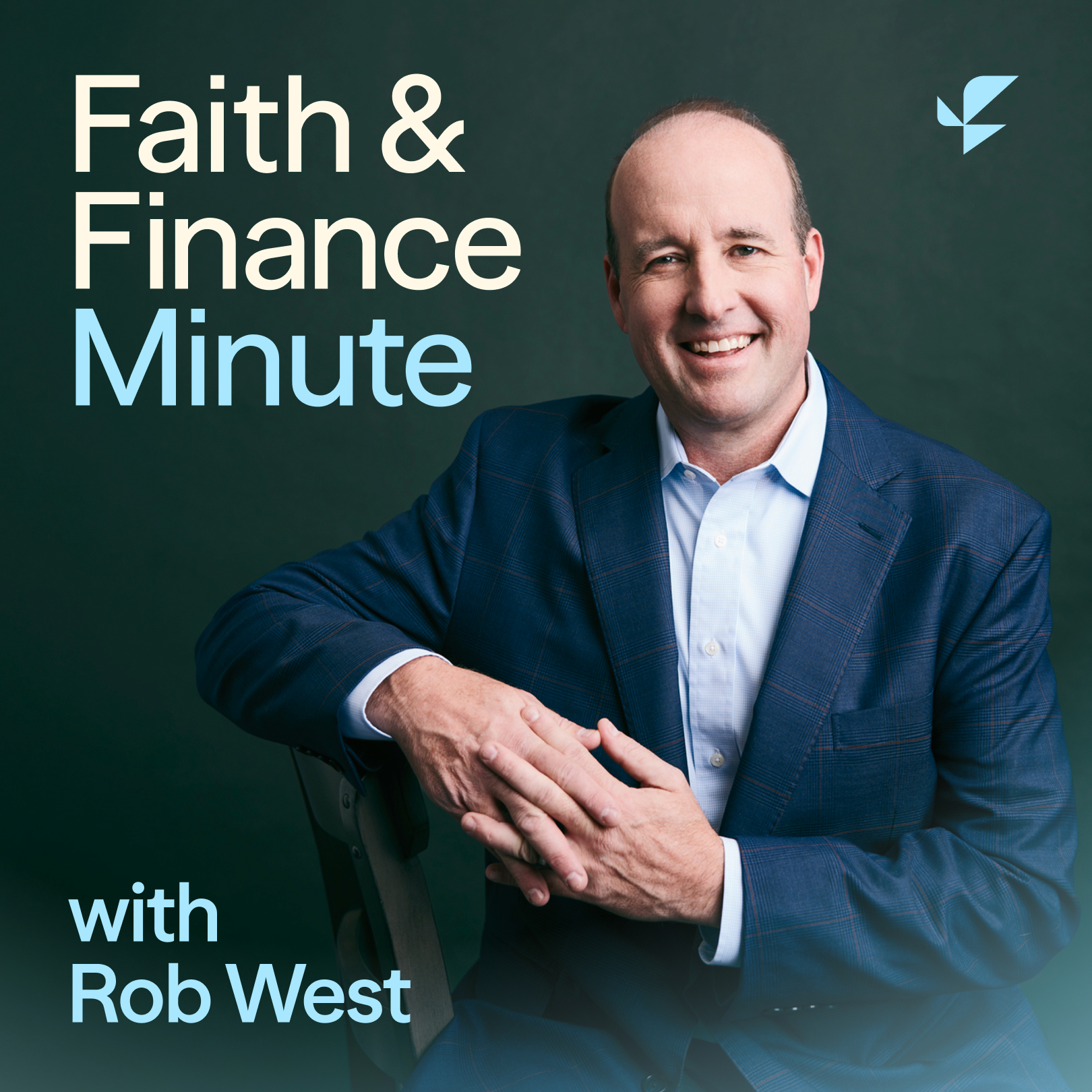
Faith & Finance with Rob West
What if the companies in your portfolio are working against the values you’re trying to live by?
For Christians, investing is about more than pursuing financial returns. Like every other financial decision, investing can be viewed through the lens of stewardship—asking not only, “How is my money growing?” but also, “What is my money supporting?”
Faith-based investing seeks to bring those questions together.
Brian Mumbert, president of Timothy Plan, joined the show today to explain how faith-based investing works, what research suggests about performance, and how Christians can begin aligning their portfolios with biblical values.
What if the companies in your portfolio are working against the values you’re trying to live by?
For Christians, investing is about more than pursuing financial returns. Like every other financial decision, investing can be viewed through the lens of stewardship—asking not only, “How is my money growing?” but also, “What is my money supporting?”
Faith-based investing seeks to bring those questions together.
Brian Mumbert, president of Timothy Plan, joined the show today to explain how faith-based investing works, what research suggests about performance, and how Christians can begin aligning their portfolios with biblical values.
What Is Faith-Based Investing?
Faith-based investing shares many objectives with conventional investing: building a diversified portfolio designed for long-term growth while managing risk appropriately.
The difference is that it adds another consideration—a values-based screen.
For Timothy Plan, that means avoiding companies that profit from or promote activities the fund family believes conflict with biblical principles. Examples may include abortion, pornography, gambling, and businesses that profit from activities that can exploit addiction or vulnerable people.
At the same time, faith-based investors can seek companies producing goods and services that contribute positively to society.
Importantly, biblical screening does not replace traditional investment analysis. Financial fundamentals still matter.
“The screening comes before the portfolio construction,” Mumbert explained.
The goal is to combine disciplined financial analysis with biblical convictions so investors can pursue competitive returns without unnecessarily separating their financial decisions from their faith.
Does Screening Companies Hurt Investment Performance?
One common concern about faith-based investing is that eliminating certain companies or industries will automatically lead to lower returns.
According to Mumbert, research does not support the idea that values-based investing necessarily requires investors to accept a persistent performance penalty. He points to independent studies examining faith-based and values-aligned investment strategies, some of which have found comparable performance and, in certain cases, favorable risk-adjusted results.
Screening can also remove companies facing significant social, reputational, or regulatory risks.
Of course, no screening methodology guarantees better investment results, and past performance never guarantees future returns. Faith-based investors still need to evaluate expenses, diversification, risk, time horizon, and the quality of the underlying investment strategy.
The larger point is that investors do not necessarily have to choose between financial discipline and biblical alignment.
Looking Beneath the Surface
Knowing what a company truly supports can be more complicated than simply looking at its primary business.
A company may appear acceptable based on the products it sells while supporting other activities through corporate policies, charitable contributions, partnerships, or business practices.
That makes research an important part of faith-based investing.
Timothy Plan has developed a proprietary screening process over more than three decades. Its research examines both what companies profit from and what they promote at the corporate level.
The process also relies on third-party information, and companies are reviewed periodically because corporate practices can change.
That ongoing evaluation is important. A company that meets a particular screen today may change its policies, business lines, or priorities in the future.
Transparency also gives investors an opportunity to examine holdings for themselves. Timothy Plan makes information available so shareholders can better understand how their investments align with its biblical screening standards.
Building a Diversified Faith-Based Portfolio
Faith-based investing has expanded considerably over the years. Investors today have access to a growing range of mutual funds, exchange-traded funds, and other investment strategies.
Timothy Plan currently offers 12 mutual funds and seven ETFs covering different areas of the market. Its offerings include strategies focused on various company sizes and investment styles, as well as more specialized options such as an Israel-focused fund.
For investors just getting started, some Timothy Plan mutual funds have relatively low entry points, including a $1,000 initial investment or an automatic investment program beginning at $50 per month.
But investors should never base their choices solely on whether a fund carries a Christian label.
Investors should still consider their overall financial plan, including their goals, time horizon, risk tolerance, diversification, fees, and tax situation. A faith-based portfolio should be both biblically aligned and financially sound.
Take an Inventory of What You Own
Many Christians have never examined the companies held inside their mutual funds, ETFs, retirement accounts, or other investments.
That can be a valuable place to begin.
Rather than assuming your investments reflect your convictions, take an inventory of what you actually own. Look beneath the fund names and examine the underlying companies your investment dollars are supporting.
Timothy Plan offers screening resources that can help investors evaluate their current holdings. You may also want to work with a financial professional, such as a Certified Kingdom Advisor®, who understands both investment planning and the desire to integrate biblical principles into financial decisions.
Faith-based investing will not make every investment decision simple. Christians may reach different conclusions about particular companies, industries, or screening standards.
But stewardship invites us to be thoughtful.
Our investments are part of the resources God has entrusted to us. And while financial returns matter, they are not the only question worth asking. We can also consider whether the way we invest is consistent with the values we seek to live out everywhere else.
To learn more about Timothy Plan and its faith-based investment options, visit TimothyPlan.com.
On Today’s Program, Rob Answers Listener Questions:
My husband passed away in January, and I’m the beneficiary of his IRA and 401(k). What taxes might I owe on those accounts? He also had an outstanding 401(k) loan—will I have to repay it or report the unpaid balance as income?
From a credit-score standpoint, is it better to have more than one credit card, or is one enough?
My 90-year-old mother has early-stage dementia, and I’m now managing her finances. She continues to spend heavily on collectibles, and we’re concerned her money may not last if she eventually needs memory care. How can my sisters and I address her spending wisely and respectfully?
Remember, you can call in to ask your questions every weekday at (800) 525-7000. Faith & Finance is also available on Moody Radio Network and American Family Radio. You can also visit FaithFi.com to connect with our online community and partner with us as we help more people live as faithful stewards of God’s resources.
Hosted by Simplecast, an AdsWizz company. See pcm.adswizz.com for information about our collection and use of personal data for advertising.