International Investing for Faith-Based Investors with Benjamin Bailey
Faith & Finance with Rob West
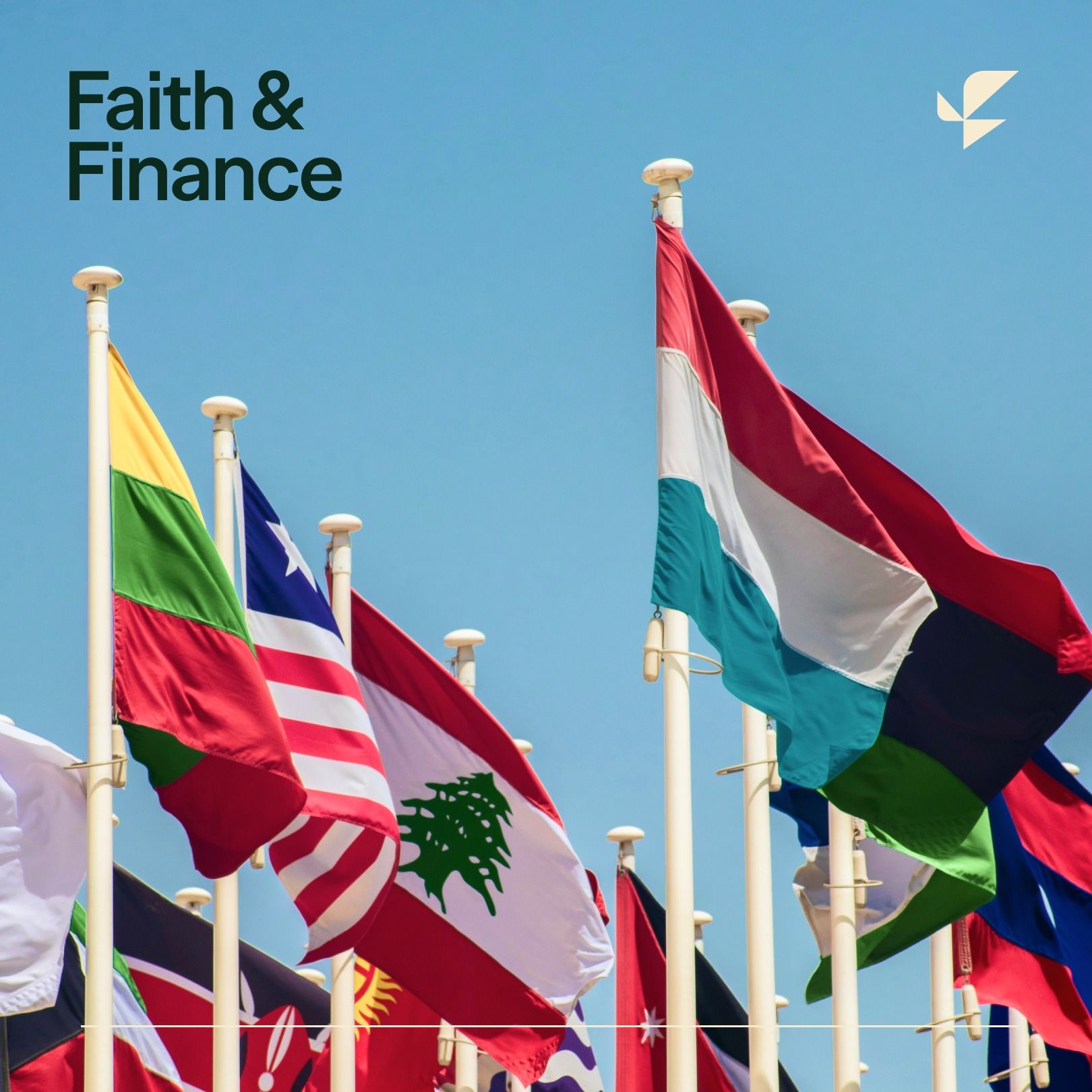
Diversification is a key part of wise investing, and for many portfolios, that means looking beyond U.S. markets. But Christian investors may wonder whether they can pursue international opportunities while still aligning their investments with biblical convictions. Benjamin Bailey, Vice President of Investments at Praxis Investment Management, says the answer is yes. Faith-based investing can extend across a portfolio—including its international holdings.
Show Notes
Diversification is a key part of wise investing, and for many portfolios, that means looking beyond U.S. markets. But Christian investors may wonder whether they can pursue international opportunities while still aligning their investments with biblical convictions.
Benjamin Bailey, Vice President of Investments at Praxis Investment Management, says the answer is yes. Faith-based investing can extend across a portfolio—including its international holdings.What Is Faith-Based Investing?
Faith-based investing begins with the belief that financial decisions can be informed by faith.
Rather than viewing investment returns as the only consideration, this approach seeks to balance two priorities: putting financial resources to productive use while also considering the impact investments may have on individuals, communities, and God’s creation.
For Christian investors, that means asking not only, “How might this investment perform?” but also, “What am I supporting with the resources God has entrusted to me?”
Interest in this approach continues to grow. Bailey points to estimates suggesting that Christian households collectively hold trillions of dollars in investments, creating significant opportunity for believers who want their portfolios to reflect their convictions.
Why Invest Internationally?
International investments can play an important role in a well-diversified portfolio.
Different countries and regions do not always experience the same economic conditions or market cycles at the same time. Investing across global markets can therefore give investors exposure to companies, industries, and opportunities they might not encounter through U.S. investments alone.
You Might Also Like
August 11, 2026
Keeping Up With the Joneses
The pressure to keep up with the Joneses can be powerful. Rob West reminds us that we see what others drive, wear, buy, ...
August 10, 2026
Faithfulness Over Greatness
In a world that tells us to build our platform, hoard our wealth, and promote our name, faithfulness is better than grea...
August 10, 2026
What's a Donor-Advised Fund? (And Should You Use One?)
If you have ever wished your giving could be both simpler and more strategic, there is a powerful tool worth considering...