How Your Temperament Shapes Your Money Decisions with Kathleen Edelman | FaithFi
June 4, 2025
How Your Temperament Shapes Your Money Decisions with Kathleen Edelman
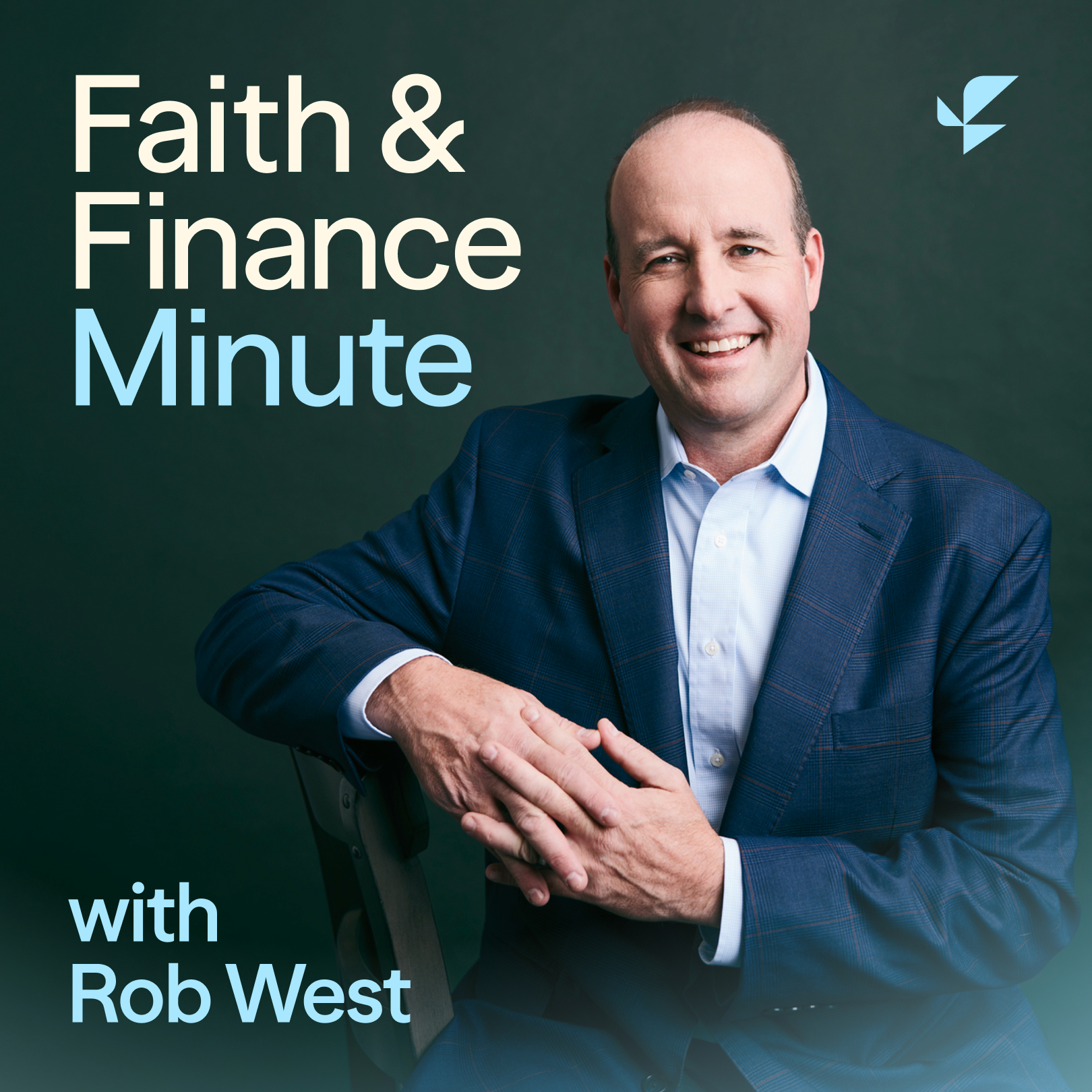
Faith & Finance with Rob West
“The wisdom of the prudent is to give thought to their ways, but the folly of fools is deception.” - Proverbs 14:8
When it comes to saving, spending, and talking about money, our God-given temperament plays a bigger role than we think. Today, Kathleen Edelman shares how understanding your wiring can lead to better financial decisions and healthier money conversations.
Kathleen Edelman is the author of “I Said This, You Heard That: How Your Wiring Colors Your Communication.” She is certified in Biblical Studies and Christian Counseling Psychology and has spent over 30 years coaching clients in the art of effective communication.
“The wisdom of the prudent is to give thought to their ways, but the folly of fools is deception.” - Proverbs 14:8When it comes to saving, spending, and talking about money, our God-given temperament plays a bigger role than we think. Today, Kathleen Edelman shares how understanding your wiring can lead to better financial decisions and healthier money conversations.
Temperament was studied by Hippocrates 2,000 years ago. It’s innate, unchangeable, and part of your design by God, like your eye color or fingerprint. In contrast, “personality” evolves based on culture, upbringing, education, and environment.
This foundational understanding is essential not just in relationships but also in how we approach money.
Temperament influences how we budget, spend, save, and even how we talk about money. Here’s how each temperament—Yellow, Red, Blue, and Green—sees financial decisions through a unique lens:
Financial Outlook: Sees money as a way to connect and create experiences. Often spontaneous and generous, but may avoid serious conversations about finances out of fear of conflict or damaging relationships.
Growth Tip: Build guardrails around spending while leaving room for joy. Schedule regular money conversations to reduce anxiety.
RED (Choleric): The Visionary Leader
Wiring: Goal-driven, results-oriented, confident.
Financial Outlook: Excels at goal setting, budgeting for success, and achieving results. May be impulsive or steamroll others in decision-making.
Growth Tip: Invite feedback and take the time to consider other perspectives. Collaboration builds trust.
Financial Outlook: Needs detailed plans, emergency savings, and financial security. Prefers structure and predictability.
Growth Tip: Communicate your need for time to process financial decisions. Allow room for flexibility while maintaining your desire for order.
GREEN (Phlegmatic): The Peaceful Stabilizer
Wiring: Calm, steady, conflict-avoidant.
Financial Outlook: Values simplicity, consistency, and low-stress systems. May avoid decisions that involve conflict or complexity.
Growth Tip: Don’t be afraid to speak up about your financial opinions. Take the time you need, but be intentional about engaging.
Why Temperament Matters in Money Conversations
Most miscommunication is not intentional. For instance, it could be that you’re speaking ‘blue,’ and they’re hearing ‘yellow.’” That misalignment can be costly, both relationally and financially.
To bridge the gap, learn to recognize both your own temperament and the temperament of the person you're speaking with. Then, speak their language.
Example: A Yellow Talking to a Blue
A Yellow might say: “Hey _______, I know details matter to you. Can we sit down together and make a plan that gives us both a vision with a little room for fun?”
This honors the Blue’s need for order and gives space for the Yellow’s desire for connection.
Example: A Red Talking to a Green
Rather than saying, “We need to figure this out now,” a Red could say: “I’d love us to make a simple plan together so that we both feel secure. We can talk it through at your pace.”
This respects the Greens’ need for harmony and time.
Next Steps for Growth and Stewardship
Kathleen’s workbook, I Said This, You Heard That, is designed to help you better understand your wiring—and live it out in strength, not weakness. It’s not about changing your temperament but becoming fluent in the languages of others.
Inside the 2025 edition, you’ll find tools to help you:
Name your tendencies and choose healthier responses
Discover your “innate needs” (which she calls a game-changer)
Revisit conversations with grace and self-awareness
Become fluent in your own and others’ communication styles
When we understand our design, we communicate better. When we communicate better, we make wiser financial decisions. And when our finances reflect intentional, Christ-centered communication, our relationships and witness grow stronger.
Learning to speak the language of others says: I care about you. That changes everything.
Also, if you'd like to read Kathleen's full article featured in the second issue of Faithful Steward Magazine, consider becoming a FaithFi Partner. With a monthly gift of $35 or an annual gift of $400, you'll receive the magazine each quarter delivered directly to your mailbox—plus these exclusive benefits:
Join us in equipping believers to steward God’s resources faithfully.
On Today’s Program, Rob Answers Listener Questions:
I’m seeking advice about managing my 66-year-old mother’s finances after her Alzheimer’s diagnosis. She has a limited income, a $300,000 TSP, and a home with $220,000 in equity, but her monthly expenses total $6,500. I need help strategizing how to best care for her financially.
Remember, you can call in to ask your questions most days at (800) 525-7000. Faith & Finance is also available on the Moody Radio Network and American Family Radio. Visit our website at FaithFi.com where you can join the FaithFi Community and give as we expand our outreach.