How to Choose a Trustworthy Tax Preparer This Season | FaithFi
February 6, 2026
How to Choose a Trustworthy Tax Preparer This Season
Faith & Finance with Rob West
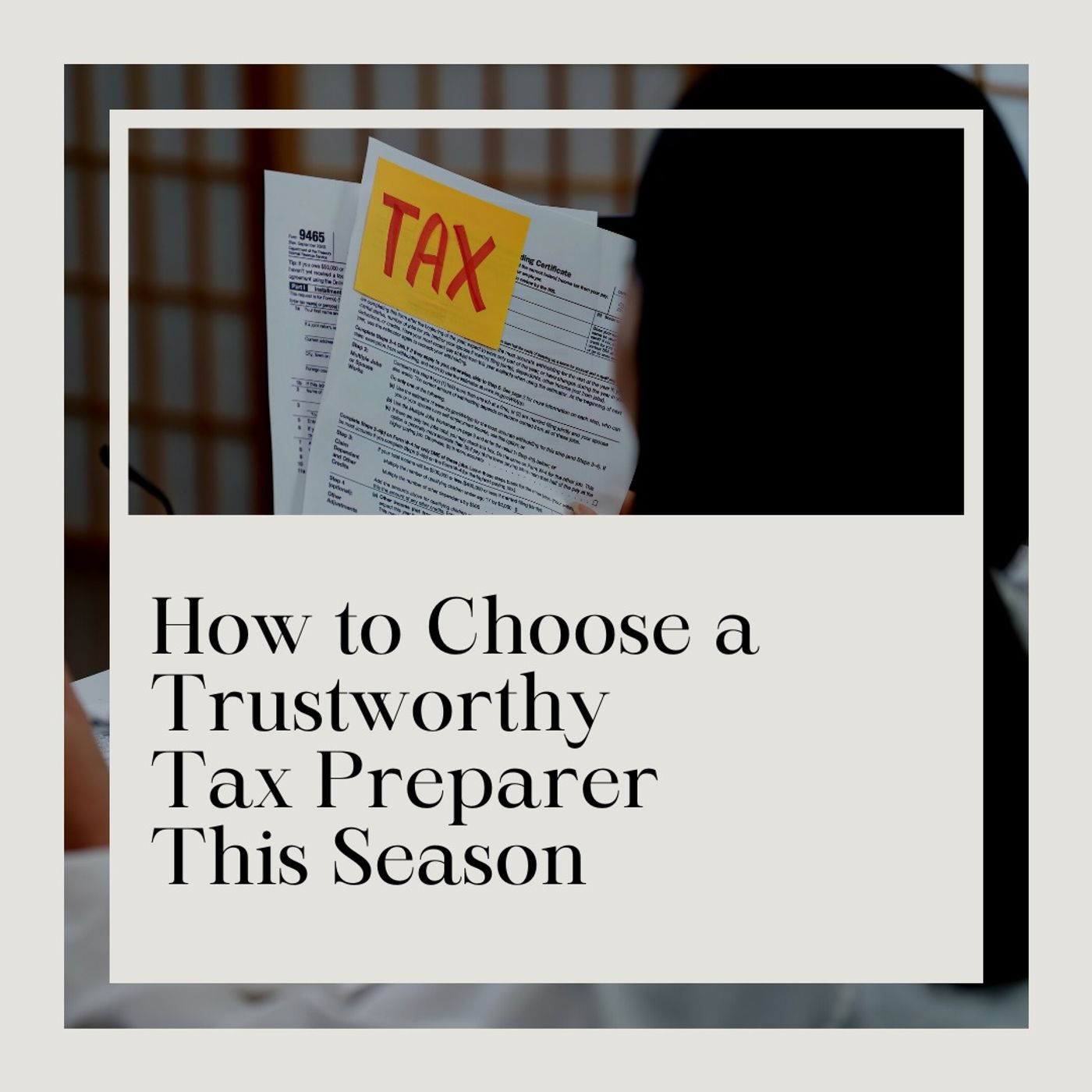
The holidays are behind us; you know what that means—it’s tax season! But before you start gathering your W-2s and receipts, there’s an important question: Do you know who will prepare your taxes this year?
With a nationwide shortage of Certified Public Accountants (CPAs) and tax professionals, waiting too long to find a preparer could leave you scrambling—and vulnerable to scams. Here’s how to protect yourself and find a trusted tax preparer.
The holidays are behind us; you know what that means—it’s tax season! But before you start gathering your W-2s and receipts, there’s an important question: Do you know who will prepare your taxes this year?
With a nationwide shortage of Certified Public Accountants (CPAs) and tax professionals, waiting too long to find a preparer could leave you scrambling—and vulnerable to scams. Here’s how to protect yourself and find a trusted tax preparer.
Who Can Prepare Your Taxes?
When hiring a tax professional, your preparer will likely fall into one of three categories:
Certified Public Accountant (CPA): These professionals undergo rigorous education, exams, and licensing requirements. Many specialize in tax preparation and can also provide broader financial guidance.
Enrolled Agent (EA): Licensed by the IRS, EAs are tax experts who can prepare and file returns, represent clients before the IRS, and provide tax planning services.
Tax Attorney: These legal professionals specialize in tax law and are particularly useful for complex tax situations, audits, or disputes.
Each of these professionals is highly qualified—but the problem is there aren’t enough of them.
There is a growing shortage of CPAs and tax professionals, largely due to fewer young people entering the field. One of the major "Big Four" firms, KPMG, continues to offer high school students internships at $22 an hour to encourage them to become CPAs.
What does this mean for you?
Longer wait times to book a tax preparer
Higher fees due to increased demand
Greater risk of falling into the hands of fraudulent preparers
When people are desperate to file their returns, they can become easy targets for scammers who fake credentials or engage in tax fraud.
How to Avoid Tax Scams and Find a Qualified Preparer
To protect yourself, follow these IRS-recommended steps when choosing a tax preparer:
1. Choose a Year-Round Tax Preparer
A reputable preparer should be available year-round. You don’t want your tax preparer to disappear if you get audited.
2. Verify Their IRS Credentials
Ask for the IRS Preparer Tax Identification Number (PTIN). All paid tax return preparers must register with the IRS and enter their PTIN on every return they file.
Enrolled Agent (Verify at IRS.gov under "Verify Enrolled Agent Status")
Tax Attorney (Confirm with their State Bar Association)
Additionally, inquire about continuing education, as tax laws change frequently; professionals should stay current.
4. Be Cautious About Fees
Beware of tax preparers who:
Charge fees based on a percentage of your refund
Claim they can get you a larger refund than competitors
A legitimate preparer should charge a flat or hourly rate based on the complexity of your return.
5. Verify IRS E-File Capability
Most tax preparers handling more than 10 clients must file electronically. If your preparer refuses to e-file, that’s a red flag.
6. Ensure Proper Documentation
A trustworthy tax preparer will ask for the following:
Your W-2 and 1099 forms (not just a pay stub)
Records of deductions and credits
If a preparer doesn’t ask for supporting documents, walk away. The IRS requires proper documentation to verify your return.
7. Understand Representation Rules
Only CPAs, Enrolled Agents, and tax attorneys can represent you before the IRS if you're audited. Non-credentialed tax preparers—including your math-savvy cousin Bill—cannot represent you in an audit.
8. Never Sign a Blank or Incomplete Tax Return
Please review your return carefully before signing. Ensure all information is accurate, and ask questions if anything appears incorrect.
9. Your Refund Should Go to You—Not the Preparer
Check the routing and account number on your tax return to ensure your refund is deposited into your own account, not your preparer’s.
Looking for a Faith-Based Financial Professional?
If you want to work with a tax professional who aligns with biblical financial principles, consider finding a CPA, Enrolled Agent, or tax attorney with the Certified Kingdom Advisor (CKA®) designation. To find a trusted, faith-based tax professional, visit FindaCKA.com.
With tax season here, choosing a reputable, qualified tax preparer is more important than ever. Don’t wait until the last minute—start your search today to avoid scams and ensure your taxes are filed accurately and ethically.
On Today’s Program, Rob Answers Listener Questions:
I have long-term care insurance and want to know if it covers assisted living, and for how long. Also, how expensive are these policies—what’s the range?
I’m 45 and looking to buy a house with a 30-year mortgage. Is that a wise move since I’d be nearing retirement by the time it’s paid off?
I’m remodeling our bathroom for my husband, who has Parkinson’s, and it will cost about $25,000–$30,000. Is it better to take the money from my 401(k) or from equity in our paid-off home?
My husband is retired, and when he tries to claim disability, they tell him he can’t because of my income since we file jointly. Should we be filing separately?
My mom may receive a settlement of around $300,000 after my dad passed. She wants to save some for the grandchildren. How will that affect taxes, insurance, and Medicare, since her income would change?
Remember, you can call in to ask your questions every workday at (800) 525-7000. Faith & Finance is also available on Moody Radio Network and American Family Radio. You can also visit FaithFi.com to connect with our online community and partner with us as we help more people live as faithful stewards of God’s resources.
Hosted by Simplecast, an AdsWizz company. See pcm.adswizz.com for information about our collection and use of personal data for advertising.