How Christian Investors Can Combat Human Trafficking with Will Lofland | FaithFi
August 4, 2026
How Christian Investors Can Combat Human Trafficking with Will Lofland
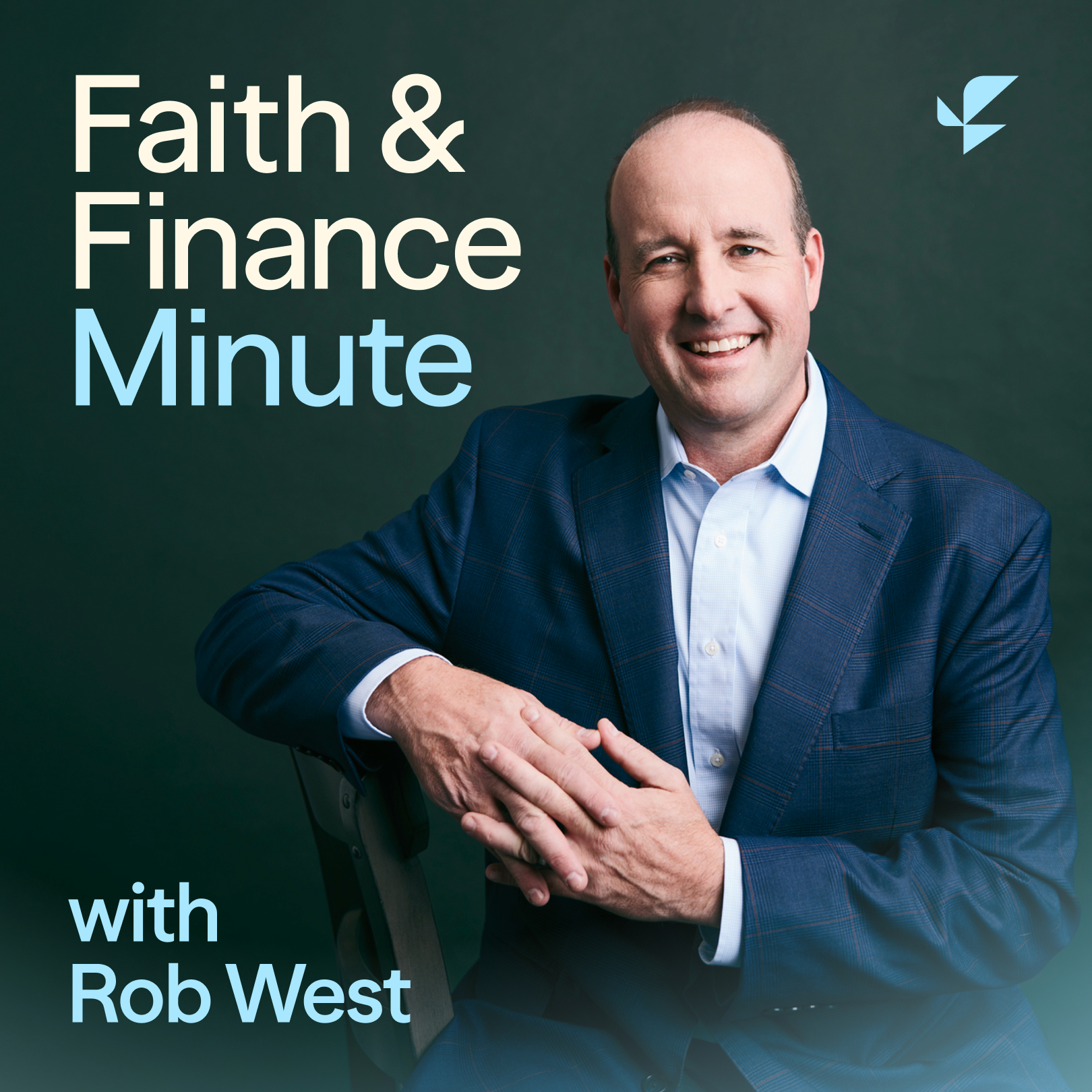
Faith & Finance with Rob West
Human trafficking often thrives in the shadows, hidden within complex supply chains and ordinary commercial activity. But Christian investors are discovering that their influence can help bring exploitation into the light.
Will Lofland, Managing Director of Faith-Based Investing at GuideStone Funds, joined the show today to explain how investors can encourage companies to identify forced labor, protect vulnerable people, and pursue meaningful change.
Human trafficking often thrives in the shadows, hidden within complex supply chains and ordinary commercial activity. But Christian investors are discovering that their influence can help bring exploitation into the light.
Will Lofland, Managing Director of Faith-Based Investing at GuideStone Funds, joined the show today to explain how investors can encourage companies to identify forced labor, protect vulnerable people, and pursue meaningful change.
A Tragedy Hidden in Plain Sight
According to estimates from Walk Free, nearly 50 million people worldwide are living in modern slavery. More than 27 million are trapped in forced labor, including approximately 3.3 million children.
Those numbers can feel distant, but exploitation may be connected to products people use every day. Forced labor can appear deep within the supply chains that produce clothing, food, electronics, and other consumer goods.
Because these networks are complex, companies may not always recognize where exploitation is occurring. But that does not make the problem any less urgent—or remove the responsibility to address it.
For Christian investors, this concern is rooted in more than economics or risk management. It reflects the biblical command to defend those who are vulnerable:
“Open your mouth for the mute, for the rights of all who are destitute. Open your mouth, judge righteously, defend the rights of the poor and needy.” - Proverbs 31:8–9
Biblical stewardship is not passive. God entrusts His people with resources, relationships, and influence that can be used to pursue what is good and protect those at risk.
Faith-based investing has often focused on screening—seeking to avoid companies whose primary business activities conflict with Christian values. That can remain an important part of a values-aligned investment strategy, but it is not the only approach available.
GuideStone has expanded its work to include shareholder advocacy, which allows investors to engage the companies they own rather than simply excluding them.
This advocacy generally involves two primary tools: proxy voting and direct corporate engagement.
Through proxy voting, shareholders can vote on company leadership, policies, and proposals presented at annual meetings. GuideStone seeks to vote the proxy ballot for every company held within its investment strategies, evaluating each decision through the lens of faithful stewardship and long-term shareholder interests.
Direct engagement involves meeting with corporate leaders to discuss concerns such as child labor, forced labor, and online sexual exploitation. These conversations give investors an opportunity to ask difficult questions, encourage greater transparency, and help companies strengthen their policies and practices.
The goal is not merely to criticize companies publicly. It is to pursue constructive, solutions-oriented dialogue that protects vulnerable people while supporting responsible corporate leadership.
Bringing Experts Into the Boardroom
One recent example of this work is GuideStone’s involvement as a founding member of the Eagle Freedom Alliance, a collaboration focused on combating human trafficking through corporate engagement.
Rather than simply sending letters or publicly condemning businesses, the alliance seeks to bring anti-trafficking experts into conversations with corporate decision-makers. These experts can help companies recognize vulnerabilities within their operations and supply chains, improve oversight, and implement practical solutions.
Many companies do not want forced labor or trafficking connected to their business. They may, however, need better information, stronger processes, or outside expertise to identify and eliminate those risks.
By approaching these companies as partners in problem-solving, investors may be able to encourage more lasting change than they could through confrontation alone.
This kind of engagement can also protect long-term shareholder value. Companies that ignore exploitation may face reputational damage, regulatory consequences, supply disruptions, and a loss of consumer trust. Protecting people and promoting responsible business practices are not opposing goals.
The Power of Christian Collaboration
Collaboration is especially important when addressing a problem as large and complex as human trafficking.
A single investor may have limited influence, but a coalition of faith-based investors can bring a stronger and more unified voice into the boardroom. Working together demonstrates that concern about exploitation is not isolated—it is shared by a broader community of investors seeking meaningful change.
This cooperation also reflects the biblical picture of believers working together for a common purpose. By combining their knowledge, relationships, and influence, Christian investors can shine a brighter light on harmful practices and encourage companies to take the issue seriously.
Investors may not be able to eliminate human trafficking on their own. But they can refuse to remain indifferent. They can ask better questions, support greater transparency, vote thoughtfully, and encourage companies to protect the dignity of every person touched by their operations.
Stewarding More Than Financial Returns
Investing will always involve financial considerations, including risk, diversification, and long-term goals. But for followers of Christ, stewardship also invites a broader question: How can the resources God has entrusted to us reflect His heart and purposes?
Faith-based investing offers one way to bring those convictions into financial decision-making. Through careful screening, active ownership, and collaboration with other believers, Christian investors can seek both prudent financial outcomes and positive influence in the marketplace.
Human trafficking may flourish in darkness, but faithful stewardship can help expose it. By speaking for the vulnerable and encouraging responsible corporate action, investors can use their influence to pursue justice, protect human dignity, and honor God with the resources He has provided.
GuideStone Funds offers investment strategies designed to help individuals, churches, and ministry organizations pursue their financial goals while reflecting Christian values. Learn more at FaithFi.com/GuideStone.
On Today’s Program, Rob Answers Listener Questions:
My wife and I are in our 70s and live on our pensions, so we’ve preserved our investments for future Kingdom work. Our portfolio is about 80% stocks and 20% bonds. I’m not interested in gold or silver, but would putting 5% into classic cars be a reasonable alternative investment?
What does Scripture teach about tithing today? Are Christians still expected to give 10% based on the Old Testament, or does the New Testament call us to give freely and according to what God puts on our hearts?
I’m a retired pastor with some additional income. How do I know what income must be reported and when it is considered self-employment income subject to Social Security and Medicare taxes?
I’m 87, and all my assets have designated beneficiaries. Could my estate still go through probate? Is there an estate-value threshold that would make a trust advisable?
Remember, you can call in to ask your questions every weekday at (800) 525-7000. Faith & Finance is also available on Moody Radio Network and American Family Radio. You can also visit FaithFi.com to connect with our online community and partner with us as we help more people live as faithful stewards of God’s resources.
Hosted by Simplecast, an AdsWizz company. See pcm.adswizz.com for information about our collection and use of personal data for advertising.