Gold and Silver: What Wise Investors Should Know | FaithFi
February 16, 2026
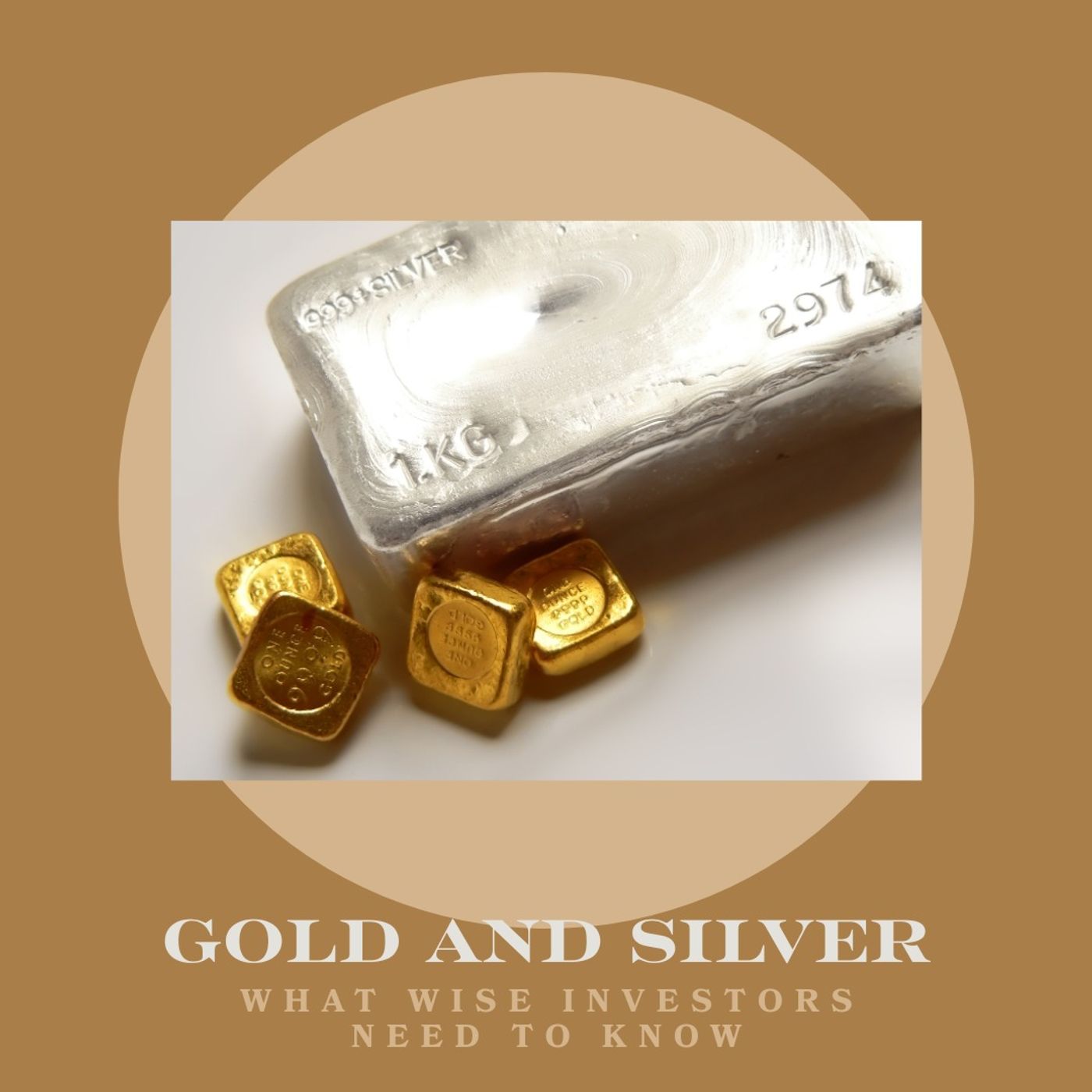
Gold and Silver: What Wise Investors Should Know
Faith & Finance with Rob West
From ancient times to modern markets, gold and silver have captured people’s attention—especially during seasons of uncertainty. It’s one reason more believers are asking whether precious metals belong in their investment portfolios.
The question isn’t simply financial; it’s also about stewardship. Where do metals fit—and where don’t they—when we’re seeking to make wise, faithful decisions with what God has entrusted to us?
From ancient times to modern markets, gold and silver have captured people’s attention—especially during seasons of uncertainty. It’s one reason more believers are asking whether precious metals belong in their investment portfolios.
The question isn’t simply financial; it’s also about stewardship. Where do metals fit—and where don’t they—when we’re seeking to make wise, faithful decisions with what God has entrusted to us?
A Long History as a Store of Value
Precious metals are among the oldest forms of money in human history. For thousands of years, gold and silver have served as a store of value. Even today, in an economy dominated by fiat currencies, they still carry an aura of stability and permanence.
There’s a practical reason for that: governments can print more dollars, but they can’t print more gold or silver. As a result, investors often turn to metals during periods of inflation, geopolitical tensions, or financial instability. They’re commonly viewed as a hedge—an asset that may preserve purchasing power when confidence in broader systems begins to waver.
That perception holds some truth. But it’s also important to separate reality from myth. Precious metals are not magic assets, and they don’t function like traditional growth investments.
How Precious Metals Differ from Traditional Investments
They Don’t Produce Income
Stocks may pay dividends, bonds generate interest, and real estate can produce rental income. Precious metals, by contrast, do not produce income. They simply exist as assets whose value rises or falls over time.
That doesn’t mean they can’t appreciate. But it does mean their return profile is fundamentally different from owning productive assets. Gold sits still; businesses build.
Metals are often described as “safe,” yet their market prices can swing sharply. There have been extended seasons when gold and silver prices barely moved—or declined—reminding investors that stability and growth are not the same thing.
Costs Matter
Owning physical metals involves more than just the purchase price. Coins and bars often carry premiums, and they require storage, insurance, and security considerations.
For those who prefer not to handle physical metals, exchange-traded funds (ETFs) and similar vehicles offer another path. These track the price of gold or silver without the logistical challenges of storing them, making them a practical option for many investors.
Allocation Is Key
Financial professionals who favor precious metals typically recommend keeping them as a small portion of a diversified portfolio—often around 5%, and rarely more than 10%. When metals dominate a portfolio, they can crowd out assets better suited for long-term growth.
What Scripture Says About Wealth and Security
The Bible references gold and silver frequently—not only as commodities, but also as symbols of value, beauty, craftsmanship, and worship. Yet Scripture consistently warns against placing our trust in them.
Paul writes, “As for the rich in this present age, charge them not to be haughty, nor to set their hopes on the uncertainty of riches, but on God” (1 Timothy 6:17).
The issue isn’t money itself; it’s misplaced hope. Gold cannot redeem us, rescue us, or ultimately secure our future. Only the Lord can do that.
Proverbs echoes this truth: “The wealth of the rich is their fortified city; they imagine it a wall too high to scale” (Proverbs 18:11). The key word is imagine. Wealth—even in solid forms like precious metals—can create an illusion of safety.
That’s especially important to remember because metals often attract attention during periods of fear. But fear is not a reliable investment strategy. Wisdom is. Fear rushes; wisdom moves slowly, with patience and prayer.
Three Principles for Faithful Investors
1. Metals Are a Tool, Not a Treasure
Precious metals don’t need to be spiritualized or demonized. They’re simply one part of God’s created resources—useful when held with open hands and proper perspective.
2. They Should Complement, Not Replace, Diversification
Some investors feel tempted to go all-in on gold during uncertain times. But Scripture doesn’t call us to make decisions rooted in fear. Metals may play a role, but they shouldn’t replace a well-diversified plan built for long-term growth and stability.
3. Every Financial Decision Is Ultimately Spiritual
Whether investing in index funds, bonds, real estate, or bullion, the deeper question remains: Lord, how can I honor You with what You’ve entrusted to me?
If precious metals help reduce risk, preserve purchasing power, or support generosity over time, they may serve a wise purpose. But if they fuel anxiety or foster a bunker mentality, they can quietly pull our hearts off course.
Precious metals may help preserve purchasing power, but they don’t produce income, guarantee returns, or provide ultimate security. They are a hedge—not a haven.
Our true security isn’t found in vaults, markets, or accounts. It’s found in Christ alone. And when that truth anchors our hearts, we’re free to make financial decisions with wisdom, patience, and peace.
On Today’s Program, Rob Answers Listener Questions:
My husband and I are 79, debt-free, and don’t have life insurance. I have $5,000 I’d like to grow to help cover burial expenses, plus small amounts in savings and a CD. We live on about $1,500 a month. How should I handle that $5,000?
I have a stock that’s down over 40%, rated poorly, and it makes up a large part of my portfolio. I want to sell it, but I don’t know where to move the funds. What would be a better option?
I used a 12-month same-as-cash plan to remodel my bathroom. I can pay it off on time, but are there any hidden risks with these offers? Also, I checked my credit at AnnualCreditReport.com and noticed it doesn’t provide a credit score. What’s the difference between a credit report and a credit score?
I have a whole life insurance policy I bought years ago, and may not need anymore. If I cash it out, I’m concerned about taxes and how it could affect things like Medicare. What options should I consider?
Remember, you can call in to ask your questions every workday at (800) 525-7000. Faith & Finance is also available on Moody Radio Network and American Family Radio. You can also visit FaithFi.com to connect with our online community and partner with us as we help more people live as faithful stewards of God’s resources.
Hosted by Simplecast, an AdsWizz company. See pcm.adswizz.com for information about our collection and use of personal data for advertising.