Financial Virtues Series: Justice (Righteousness) with Justin Lonas | FaithFi
July 21, 2026
Financial Virtues Series: Justice (Righteousness) with Justin Lonas
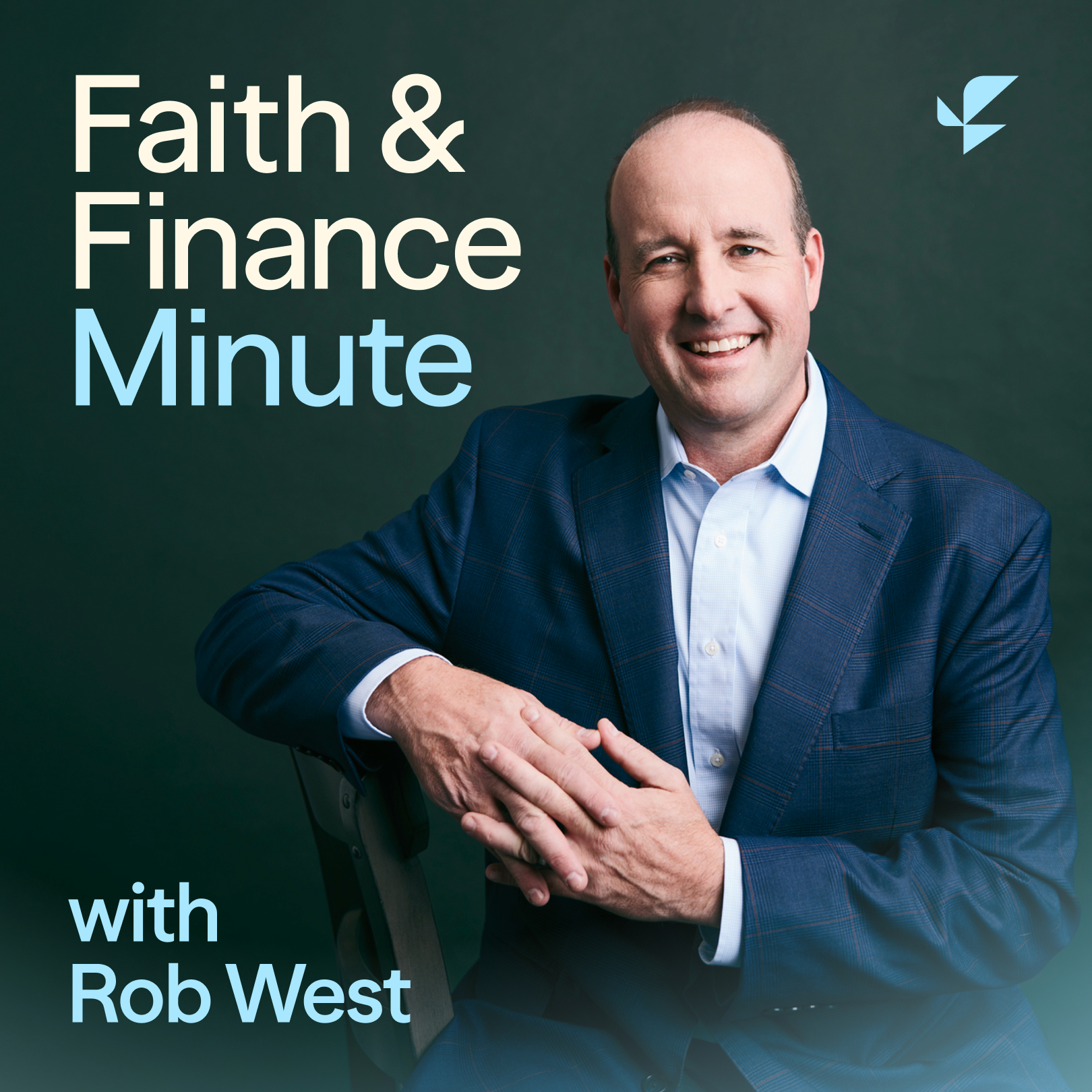
Faith & Finance with Rob West
When many people hear the word justice, they think of courtrooms, laws, or political debates. Those ideas are part of justice, but Scripture offers a much broader vision.
Justin Lonas, Senior Director of Foundational Products and Regional Partnerships at the Chalmers Center, helps churches and ministries think biblically about poverty, generosity, restoration, and justice. He joins the show today as part of our financial virtues series to explain that biblical justice is not merely a political slogan or legal principle. It is a way of life shaped by righteousness, mercy, and love of neighbor.
Because money affects nearly every part of our lives together, justice has profound implications for how we earn, spend, save, give, invest, hire, and lend.
When many people hear the word justice, they think of courtrooms, laws, or political debates. Those ideas are part of justice, but Scripture offers a much broader vision.Justin Lonas, Senior Director of Foundational Products and Regional Partnerships at the Chalmers Center, helps churches and ministries think biblically about poverty, generosity, restoration, and justice. He joins the show today as part of our financial virtues series to explain that biblical justice is not merely a political slogan or legal principle. It is a way of life shaped by righteousness, mercy, and love of neighbor.
Because money affects nearly every part of our lives together, justice has profound implications for how we earn, spend, save, give, invest, hire, and lend.
Justice as God Intended It
In Scripture, justice includes holding wrongdoers accountable, protecting the innocent, and maintaining public order. But it also includes restoration—putting things right when people or relationships have been harmed.
The Bible’s vision of justice is rooted in shalom: the wholeness and flourishing that exist when people live in right relationship with God, one another, themselves, and creation.The Hebrew word often translated as “justice” is mishpat. A closely related word, tzedakah, is usually translated as “righteousness.” Scripture frequently places the two ideas side by side, like in Psalm 89:14: “Righteousness and justice are the foundation of your throne; steadfast love and faithfulness go before you.”
Modern culture often separates these concepts. Justice is treated as a public or legal matter, while righteousness is viewed as a matter of private morality. Scripture does not divide them so neatly. Both flow from the character of God, and both should characterize His people.
Justice is not merely about demanding our rights. It also calls us to recognize our responsibilities toward others.
The way we earn money affects employees, customers, vendors, and communities. The way we spend it supports particular businesses and practices. The way we invest provides capital to certain companies and industries. Even the way we save, lend, hire, or purchase services can influence others' well-being.
That means biblical stewardship cannot be reduced to personal wealth accumulation or individual financial responsibility. Those matters are important, but God’s concern is broader than our personal balance sheets.
Scripture teaches that God owns everything. The land, our abilities, the opportunities before us, and the resources produced through our work all ultimately belong to Him. Wealth is not something we create entirely by ourselves; it is received within a world God made and sustains.
Because God owns it all, we cannot separate our economic lives from His concern for righteousness, mercy, and justice.
More Than Simple Fairness
Justice is sometimes reduced to treating everyone exactly the same. But biblical justice goes beyond simple fairness.
People experience hardship for many reasons. Sometimes poverty is connected to unwise personal decisions. At other times, it results from exploitation, illness, disability, family instability, limited opportunity, or the broader brokenness of the world.
Poverty is complex because the effects of sin are complex.
When justice is viewed only through the lens of personal merit, we may conclude that everyone simply receives what they have earned. That perspective can cause us to overlook the different burdens people carry and the obstacles they face.
Biblical justice invites us to consider not only what people deserve, but also how we can pursue restoration, extend mercy, and help our neighbors flourish.
That does not mean ignoring personal responsibility. It means recognizing that Scripture calls us to hold responsibility and compassion together.
Poverty and Broken Relationships
The Chalmers Center emphasizes that poverty is not merely a lack of money or possessions. It is often connected to broken relationships.
God created human beings to live in four fundamental relationships: with God, with ourselves, with others, and with creation. When sin entered the world, each of those relationships was damaged.
Our relationship with God was broken. Our understanding of our own dignity and identity became distorted. Our relationships with others became vulnerable to conflict, injustice, and exploitation. Even our relationship with work and creation became marked by frustration.
As Lonas puts it, broken people create broken systems, and broken systems can contribute further to human brokenness.
But the gospel offers real hope. Jesus is restoring people to God and will one day make all things new. His work does not merely affect our “spiritual lives.” It begins transforming every part of life, including how we use money, conduct business, serve our communities, and relate to our neighbors.
Financial stewardship, therefore, becomes one way we participate in God’s work of restoration—not as saviors, but as faithful servants who reflect His character.
Practicing Justice Through Everyday Decisions
Biblical justice may sound like a large or abstract concept, but it often takes shape through ordinary financial choices.
Consider where your money goes. Instead of looking only for the lowest price or the greatest personal benefit, ask whether some of your spending could strengthen your community or create opportunities for others.
That might mean purchasing from a small local business, supporting a family working to establish itself in your neighborhood, or hiring someone who needs an opportunity to develop new skills.
Business owners may be able to offer second chances to people who have struggled to find employment due to a criminal record or a difficult past. Churches and families may be able to use repairs, maintenance, or other projects as opportunities to build relationships with people in their communities.
Justice can also influence how employers set wages, how lenders treat borrowers, how investors evaluate companies, and how consumers consider the people behind the products they purchase.
The goal is not to make every financial decision perfectly. We often lack complete information, and our choices involve competing responsibilities. The goal is to become more attentive to how our financial lives affect our neighbors.
Becoming Allies, Not Merely Helpers
People experiencing poverty do not simply need outsiders to arrive with answers. They need relationships, community, dignity, and opportunities to contribute.
Rather than viewing ourselves only as helpers, we can learn to become allies—people willing to listen, build relationships, share life, and work alongside others.
This approach also reminds us that the relationship is not one-sided. People on the economic margins have wisdom, gifts, experiences, and perspectives that the broader community needs.
Flourishing rarely happens in isolation. God created us to depend on Him and live in community with one another. Justice recognizes that our well-being is connected to the well-being of our neighbors.
Biblical justice is not merely an idea to affirm. It is a way of ordering our relationships and resources under God. As we seek to earn, spend, give, and invest faithfully, our financial decisions can become tangible expressions of righteousness, mercy, and love.
On Today’s Program, Rob Answers Listener Questions:
I’ll begin drawing my full Social Security benefit in December. How much can I earn without affecting my benefits or creating a tax issue?
My husband and I have been married 55 years and have tithed throughout our marriage. We’re now over 65, drawing Social Security, working part-time, and receiving some investment income. We still tithe on all of it, but I’m wondering: biblically speaking, is there guidance on giving from Social Security income if we already tithed on the income we earned before retirement?
Remember, you can call in to ask your questions every weekday at (800) 525-7000. Faith & Finance is also available on Moody Radio Network and American Family Radio. You can also visit FaithFi.com to connect with our online community and partner with us as we help more people live as faithful stewards of God’s resources.
Hosted by Simplecast, an AdsWizz company. See pcm.adswizz.com for information about our collection and use of personal data for advertising.