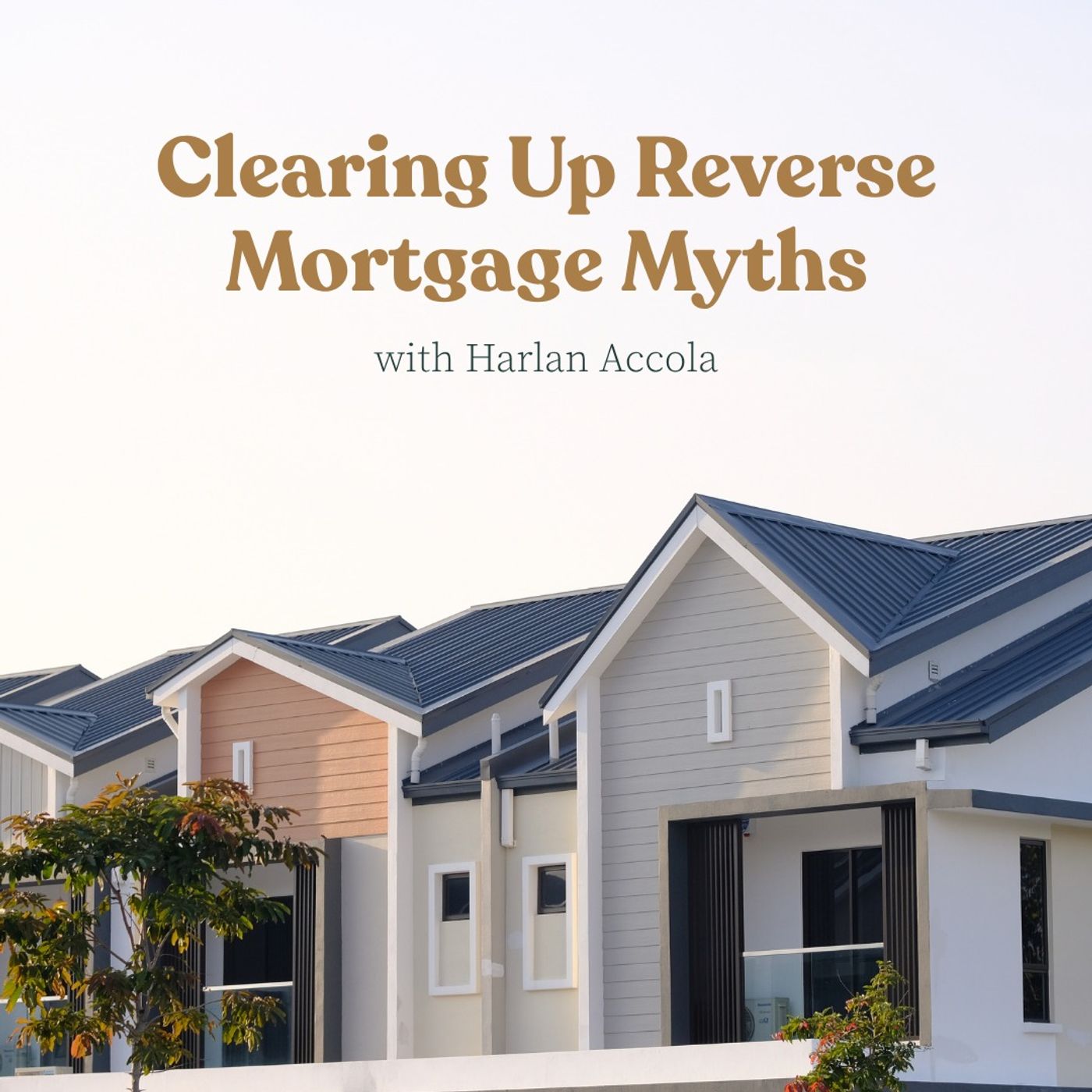
Clearing Up Reverse Mortgage Myths with Harlan Accola
Faith & Finance with Rob West
Reverse mortgages often trigger strong reactions—especially among believers who want to honor God with their finances. But are those reactions grounded in biblical wisdom…or outdated information? When it comes to debt and home equity, emotions can run high. Yet Scripture calls us to something deeper than instinct—it calls us to understanding. As Proverbs 19:20 reminds us, “Listen to advice and accept instruction, that you may gain wisdom in the future.” To help bring clarity to this often misunderstood topic, Harlan Accola—who leads the reverse mortgage team at Movement Mortgage—joins the show today to separate fact from fiction.
Show Notes
Reverse mortgages often trigger strong reactions—especially among believers who want to honor God with their finances. But are those reactions grounded in biblical wisdom…or outdated information?
When it comes to debt and home equity, emotions can run high. Yet Scripture calls us to something deeper than instinct—it calls us to understanding. As Proverbs 19:20 reminds us, “Listen to advice and accept instruction, that you may gain wisdom in the future.” To help bring clarity to this often misunderstood topic, Harlan Accola—who leads the reverse mortgage team at Movement Mortgage—joins the show today to separate fact from fiction.Why Reverse Mortgages Carry So Much Stigma
For many people, the phrase reverse mortgage immediately raises red flags. And to be fair, some of that concern is rooted in history.
As Harlan Accola explains, earlier versions of these loans—and in some cases, unethical practices—damaged trust. Like many industries, there were bad actors who misused the product and took advantage of seniors. But today’s reverse mortgage is very different.
Modern reverse mortgages are federally regulated through the Federal Housing Administration (FHA) and include strong consumer protections designed specifically for older homeowners. Still, misinformation persists—often passed along by well-meaning friends, family members, or even within church communities.
That’s why biblical wisdom matters here. We’re called not just to react, but to understand.
Not All Debt Is the Same
One of the biggest misconceptions about reverse mortgages is that they’re simply another form of dangerous debt. But as Harlan points out, not all debt functions the same way.
Traditional consumer debt—like credit cards or auto loans—requires monthly payments. Miss those payments, and the consequences can quickly escalate, creating stress and financial strain.
You Might Also Like
July 22, 2026
The False Security of Success
Financial success can be a blessing but are we right with God? Rob West points out from the book of Hosea that Israel tr...
July 22, 2026
God’s Design for a Financially Healthy Marriage with Dr. Art Rainer
Few things reveal the strength of a couple’s unity quite like money. Financial decisions touch nearly every part of marr...
July 21, 2026
Episode 384 - Why Authenticity Is Your Best Marketing Move in the Age of AI | Christian Pinkston
A near-drowning in the Persian Gulf. A camel accident in the Egyptian desert three days later. And in between, a voice C...